Written price before work
Agreed before any repair work begins.
Water heater repair in Conyers starts with testing, not swapping. No hot water, a leak at a fitting, popping noises or a pilot that will not stay lit each have several possible causes, and the tank itself is only one of them. SoCo Plumbers diagnoses the unit during business hours, Monday to Friday, 9 AM to 5 PM, and repairs where the tank is sound — replacing only when the tank has actually failed. Permits are checked with the City of Conyers or Rockdale County as applicable, and no permit fee is stated here, because that figure is unverified.
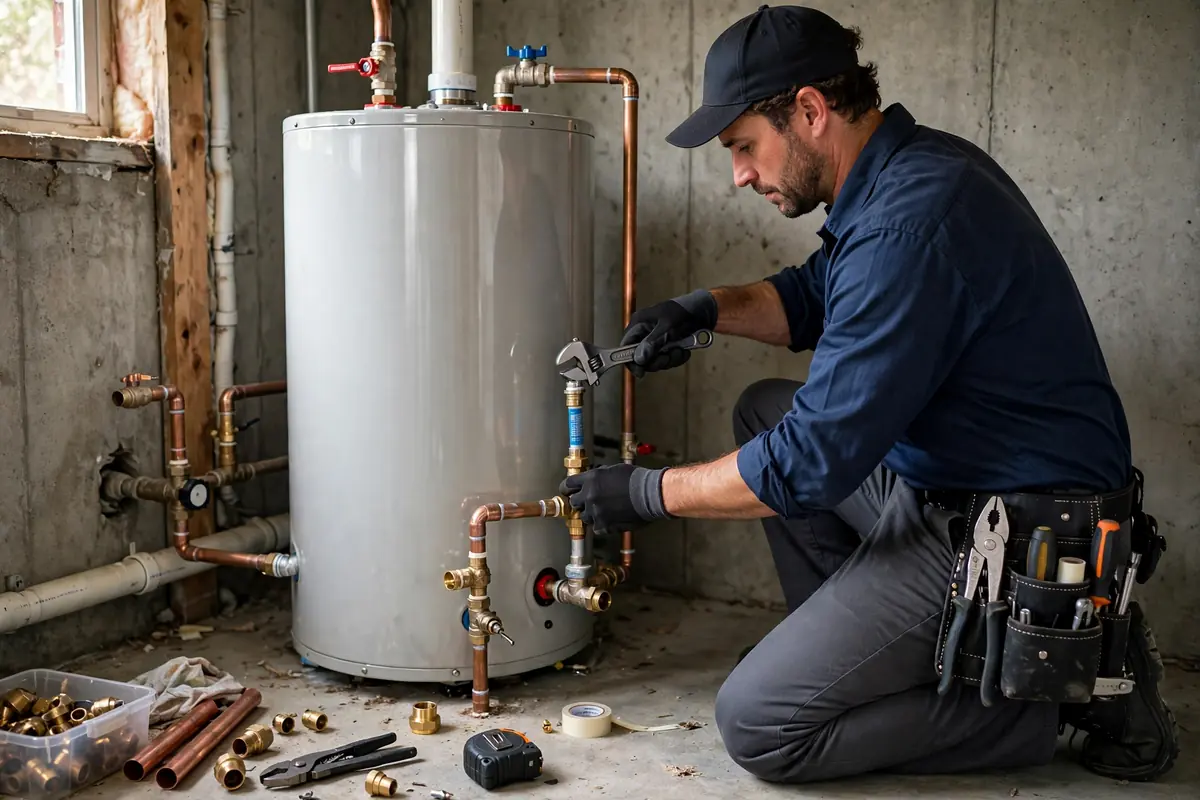
Every water heater repair visit follows the same core scope: diagnose first, agree the price and scope in writing, do the work, and test before leaving.
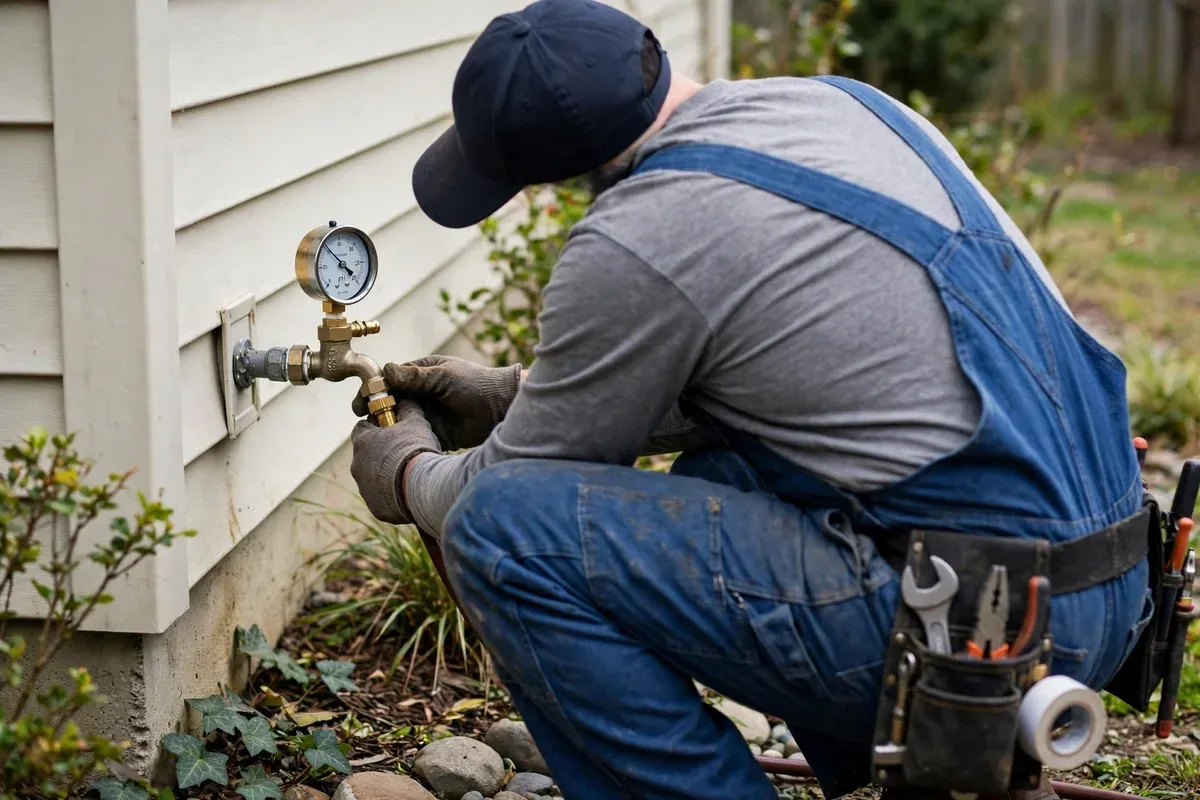
For Conyers households: no hot water, lukewarm water, leaks at fittings, popping tanks and pilots or elements that fail, diagnosed during business hours.
Offices, restaurants, shops and multi-family buildings with a heater fault get the same test-first approach during business hours, with the diagnosis and the repair-or-replace recommendation shared in writing.
A water heater that stops working is not automatically a water heater that needs replacing. Elements and thermostats fail, gas valves and pilot assemblies fail, sediment blankets the tank floor and makes the unit rumble, and anode rods are consumed — all while the tank itself remains sound. Repair is the honest answer in those cases, and replacement is the answer when the tank body leaks or the unit has failed in succession. Our water heater installation work covers the replacement step, and our tankless water heater services cover on-demand units, whose faults follow a different diagnostic path.
Conyers water conditions drive much of the caseload. Mineral content builds sediment on the tank floor and consumes anode rods, and the research notes harder municipal water as a recurring factor in heater calls. Older homes often have original gas tanks in garages or closets, where venting and combustion air need a close look during any repair, while newer builds are more likely to have tankless units in attics. Work is built to the 2024 International Plumbing Code with Georgia Amendments, effective 1 January 2026, and permits are checked as applicable, with no fee figure stated.
Test the components, repair what failed, replace only a failed tank.
From the first call to the final test, here is the sequence for a water heater repair visit in Conyers, booked during business hours.
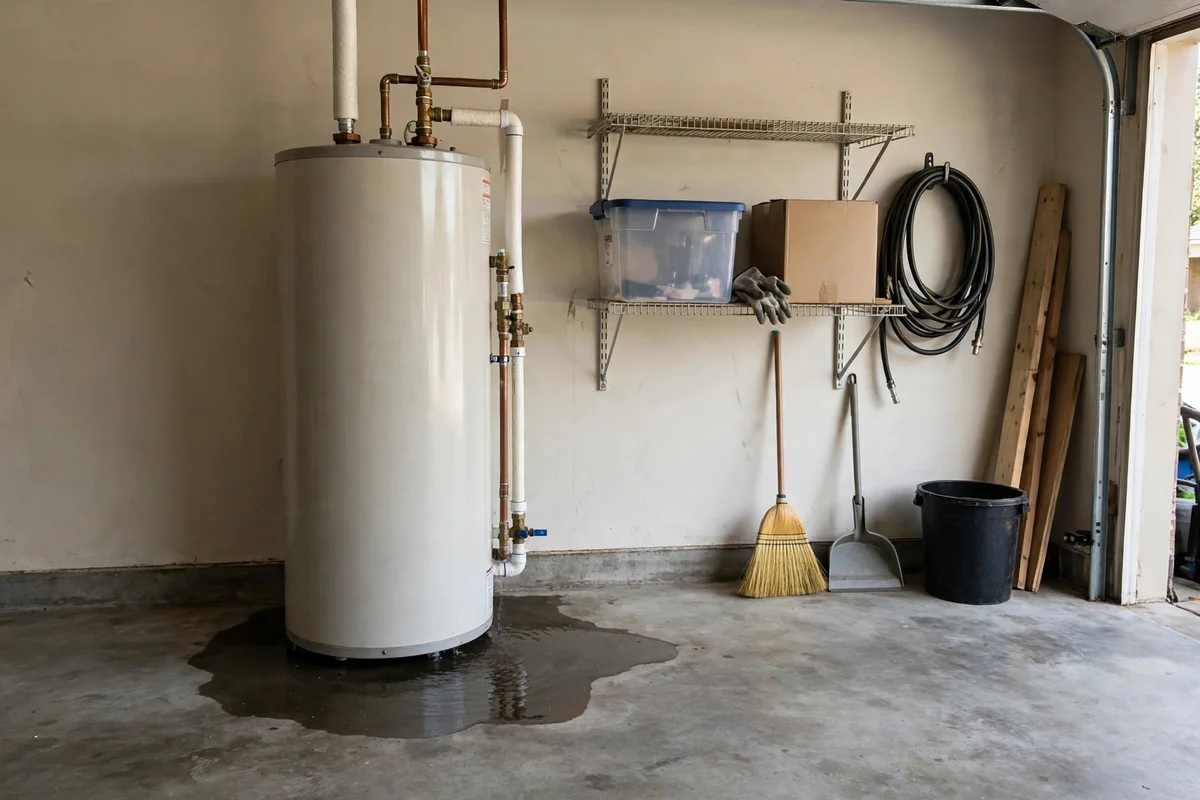
Call +17708971640 Monday to Friday, 9 AM to 5 PM. Tell us the symptom — no hot water, noise, or a leak — and the unit's age; we will talk through shutting off water or gas if that is the safe first step.
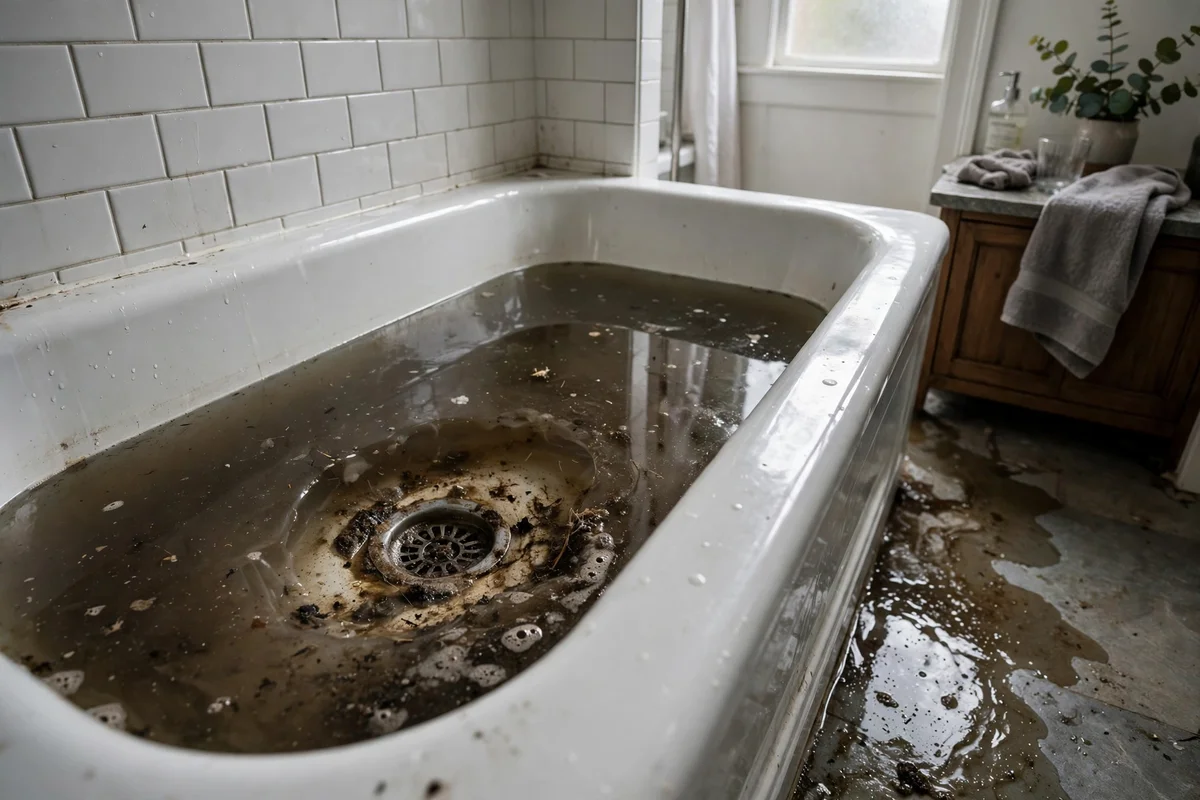
We schedule a visit during business hours and confirm the window. On arrival we diagnose sediment, element, thermostat, or tank failure first, before any repair or dismantling.
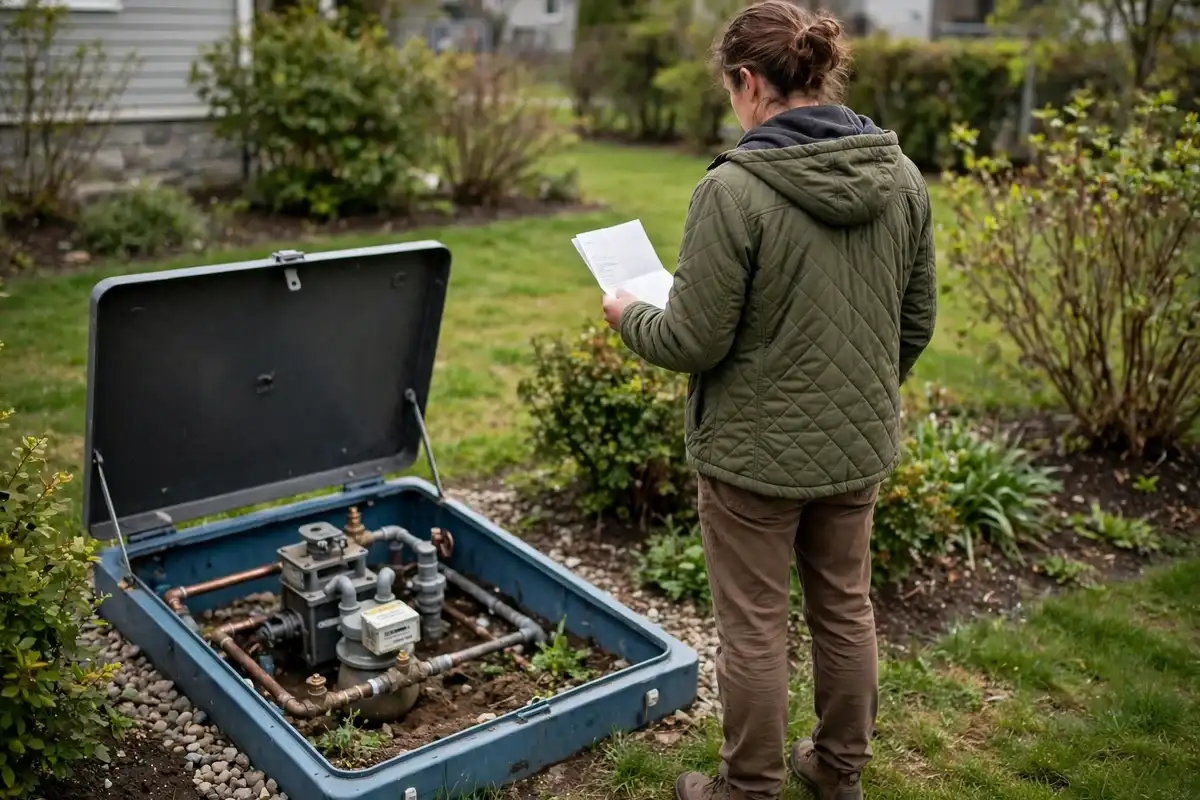
We test the unit in order: power or gas supply, thermostat and element or burner, pilot assembly, anode rod and sediment, then fittings and valves. The failed part is identified before any price is agreed.
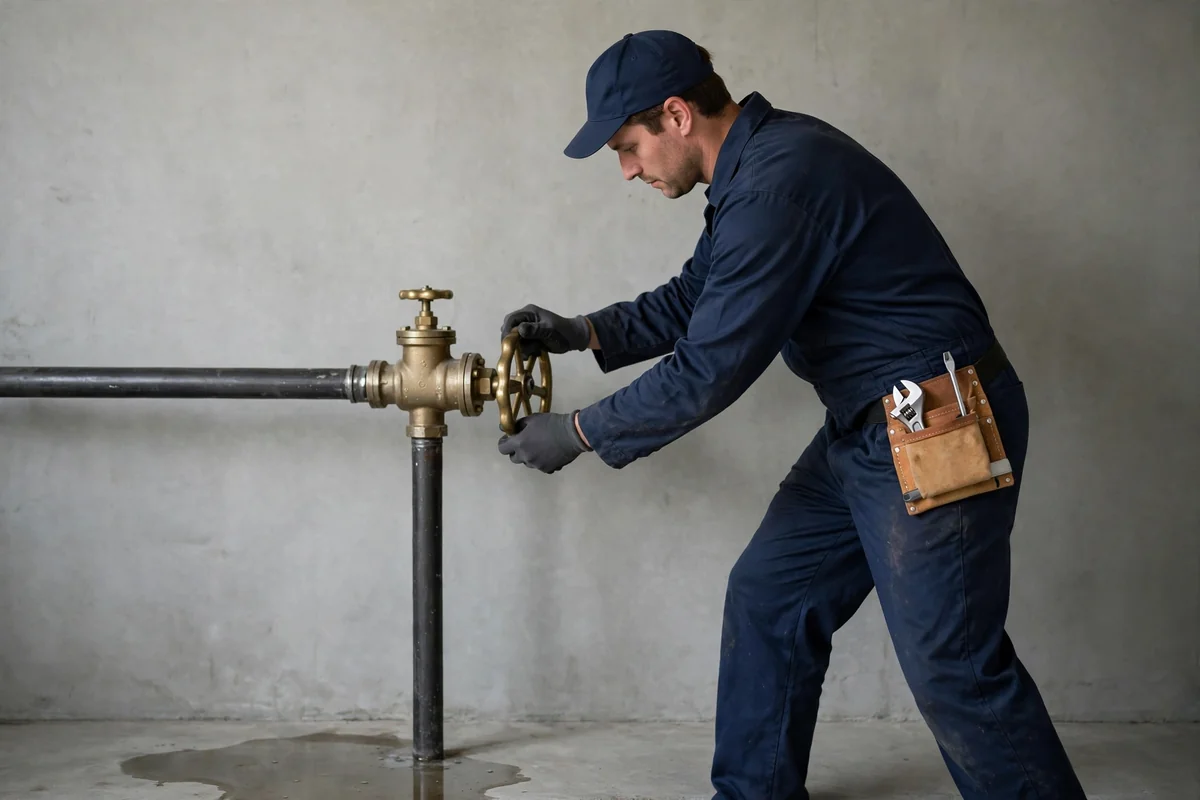
The failed component is replaced, the unit is fired and tested at full demand, and fittings and the drain pan route are checked for leaks before the visit ends.
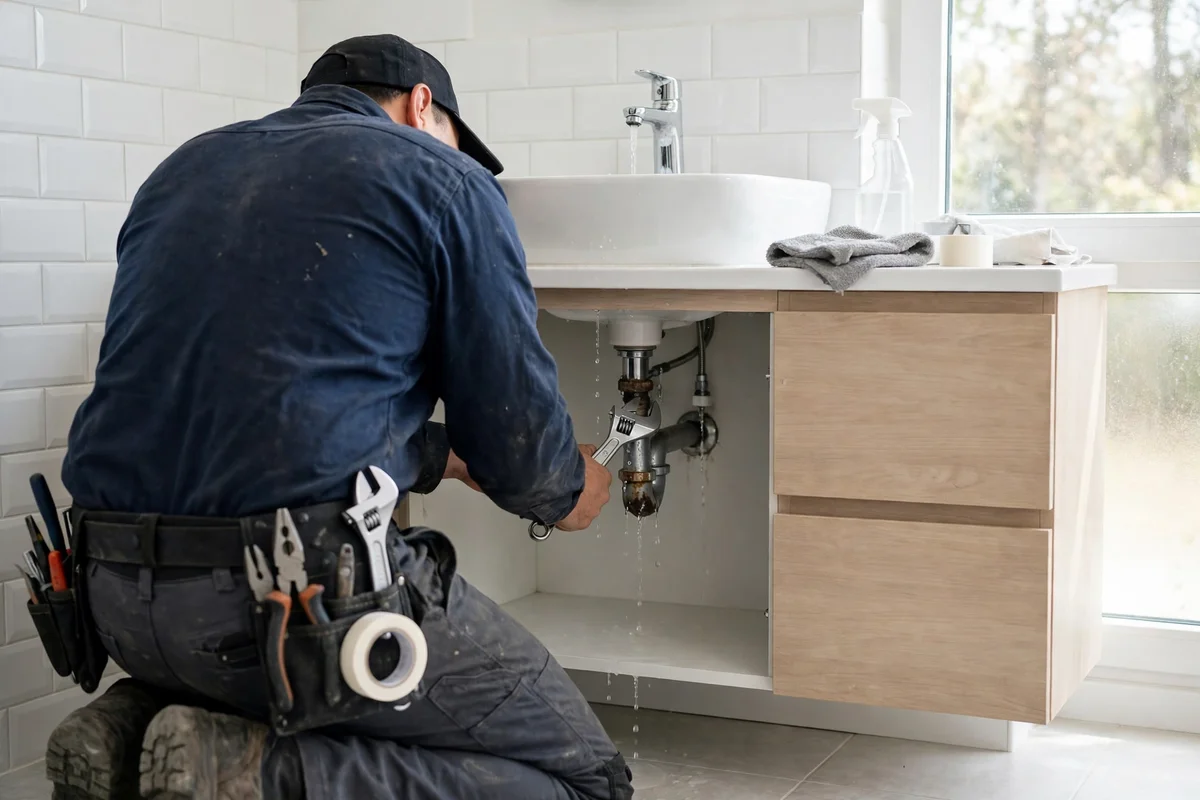
Before we leave, the heater is run to temperature and checked for leaks, and we walk you through what failed and what to watch next.
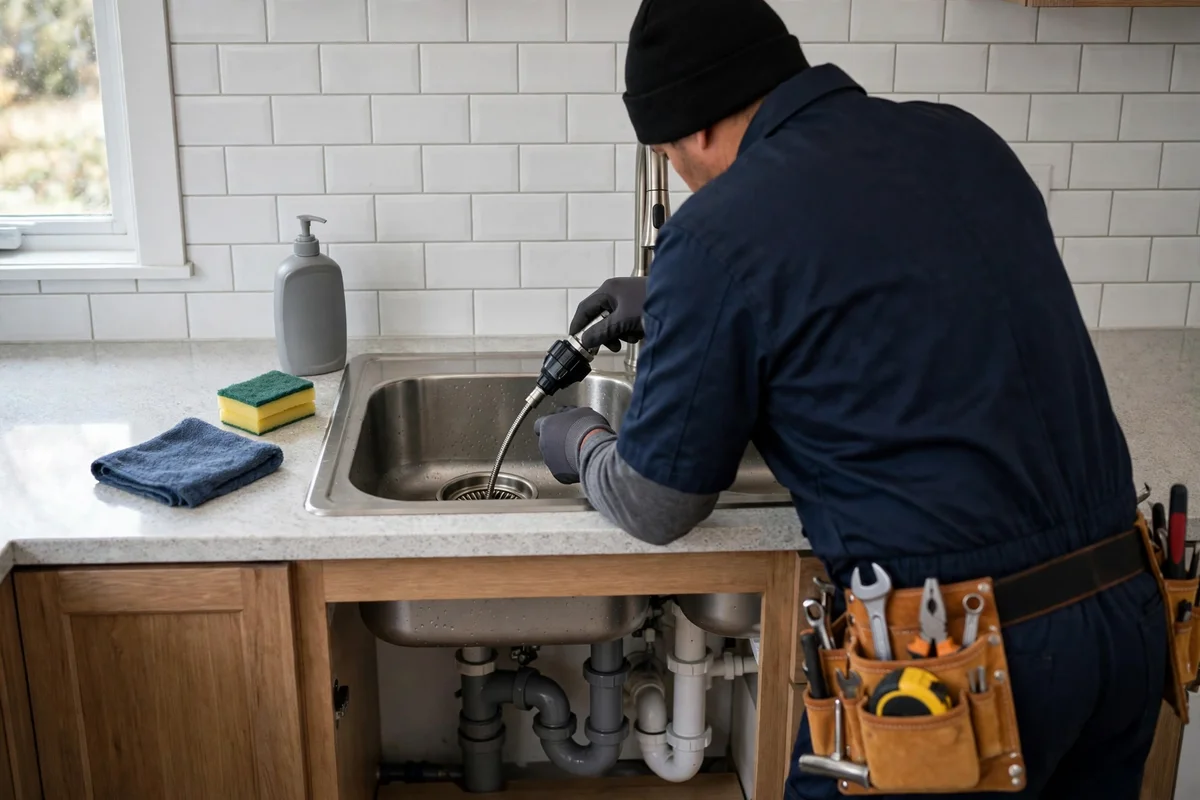
Tests continuity and voltage on heating elements, thermostats, and thermocouples to confirm which component has failed before we replace anything.
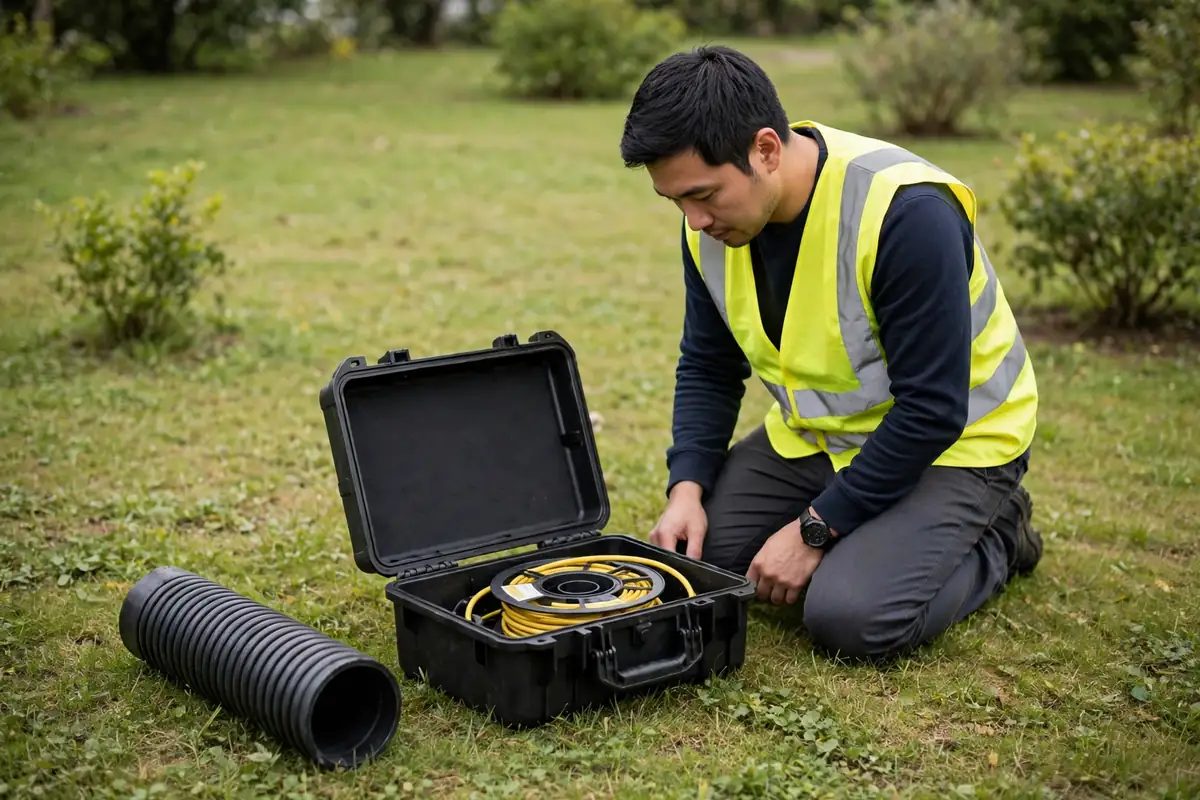
Used to break loose supply connections and cut out corroded nipples or copper pipe feeding the heater so we can install clean new fittings.
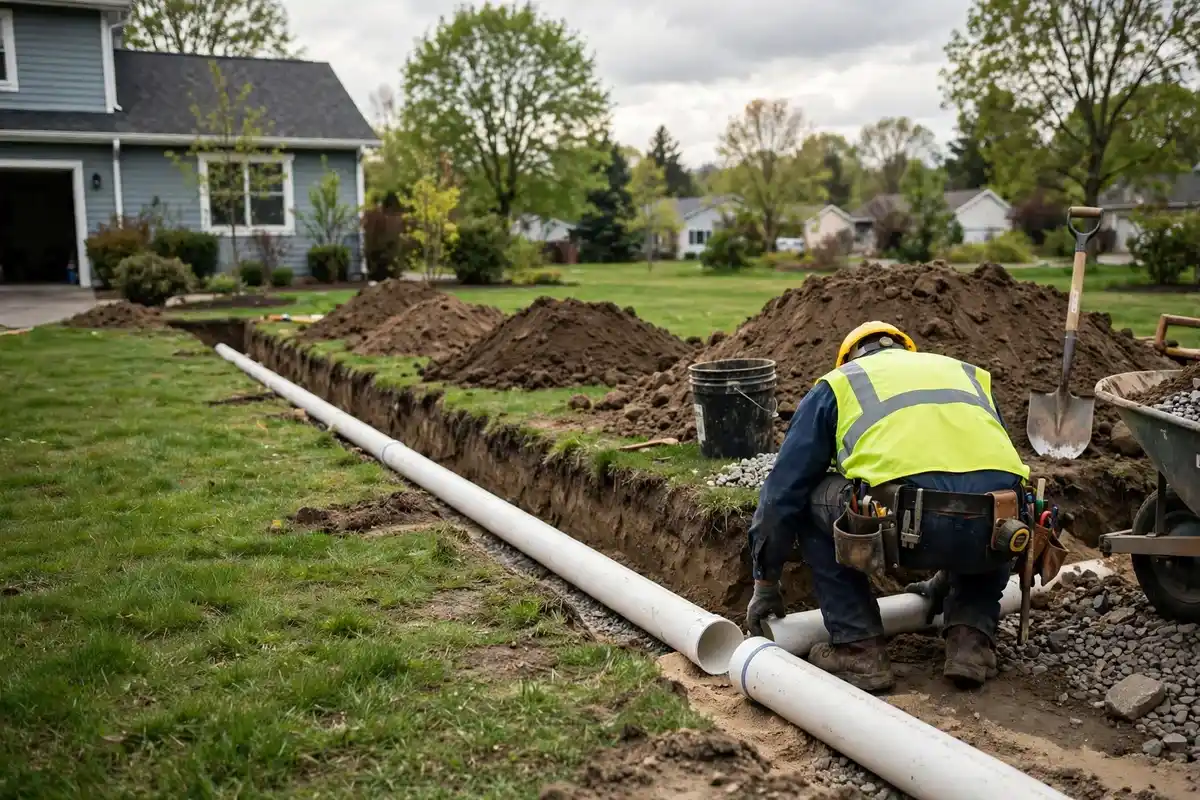
For soldering copper and making press connections on PEX or copper lines. We match the method to the existing piping in your Conyers home.
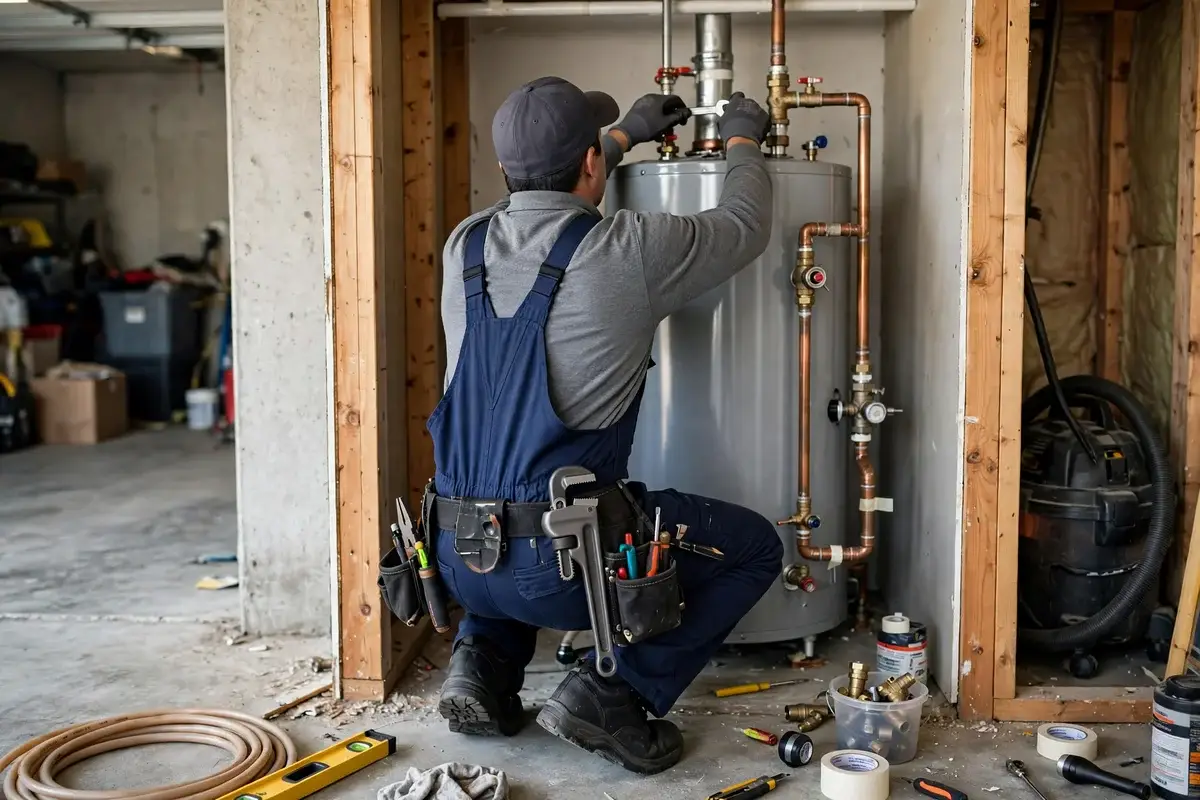
Traces hidden leaks behind walls or under slabs when water shows up near the heater but the source is not obvious.
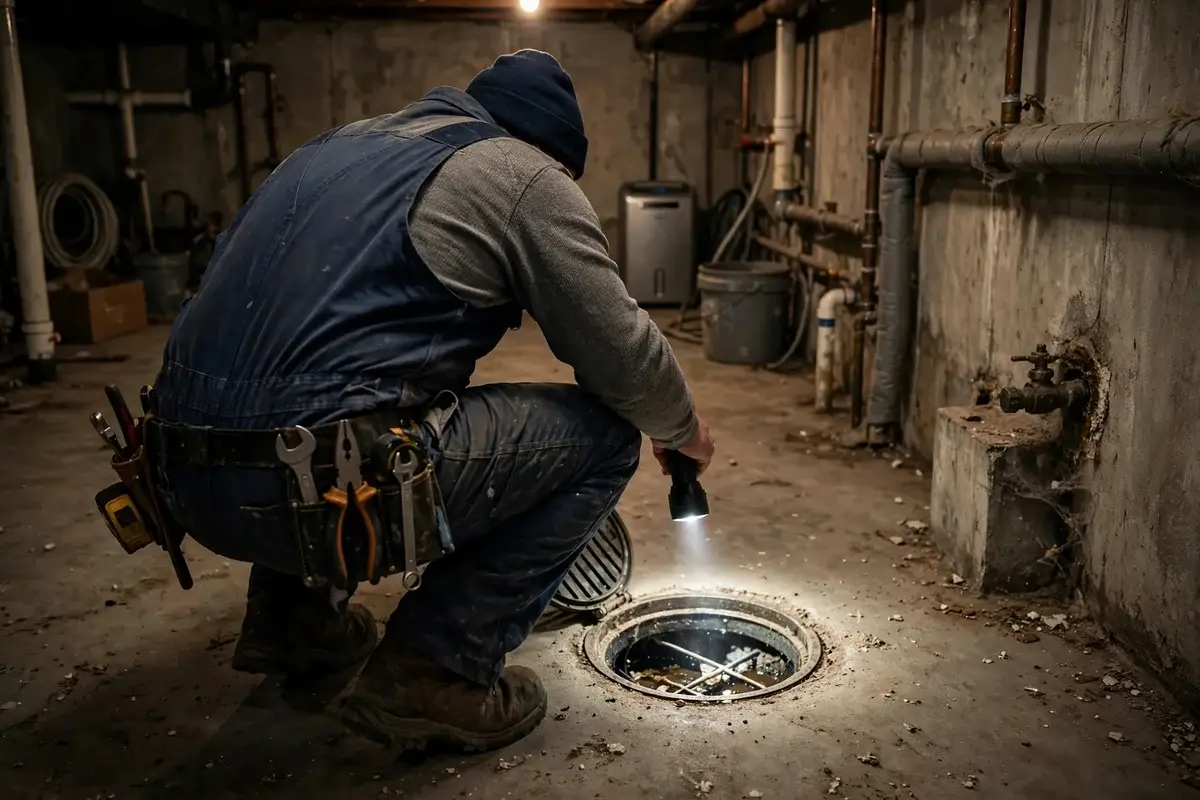
Seals threaded gas and water connections to code so fittings do not weep after the repair.
Used for fast, reliable repairs on copper and PEX supply lines when a section needs to be replaced during the heater job.
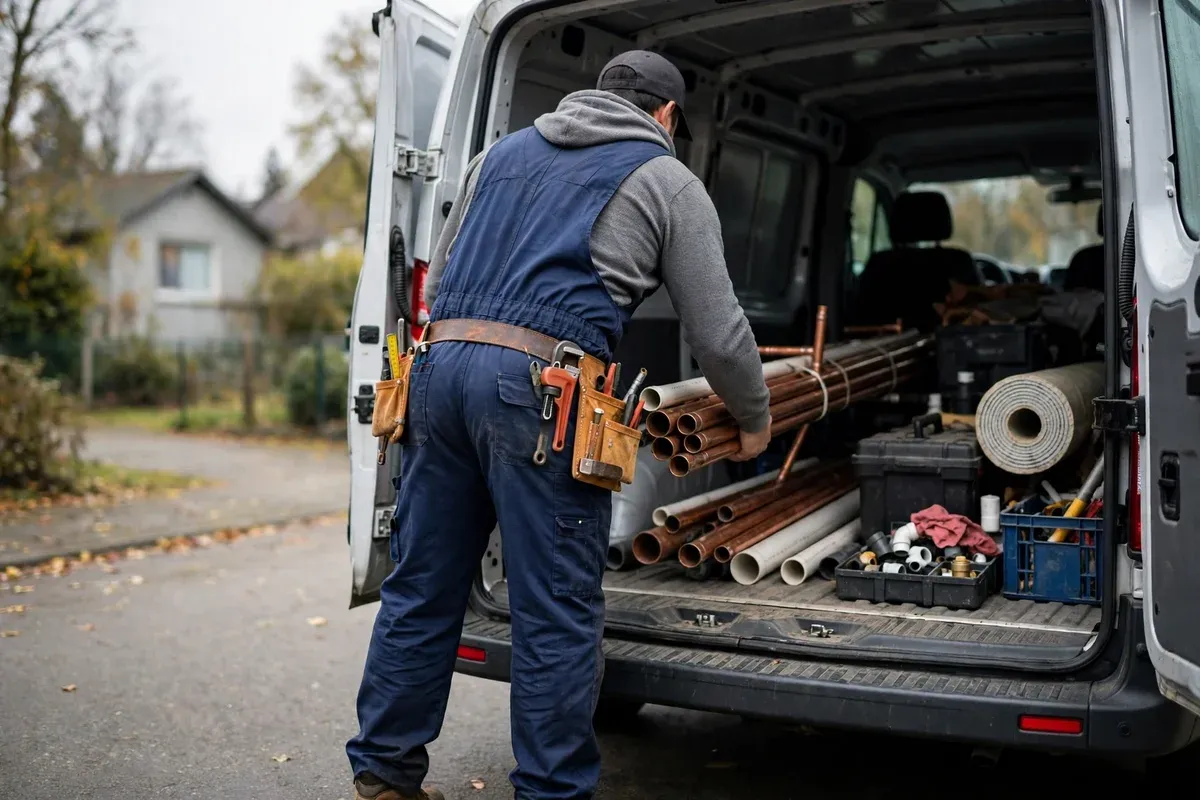
Every repair follows UPC requirements for T&P relief valve routing, drain pans, and gas connections. That keeps the work safe and ready for inspection if Rockdale County requires a permit.
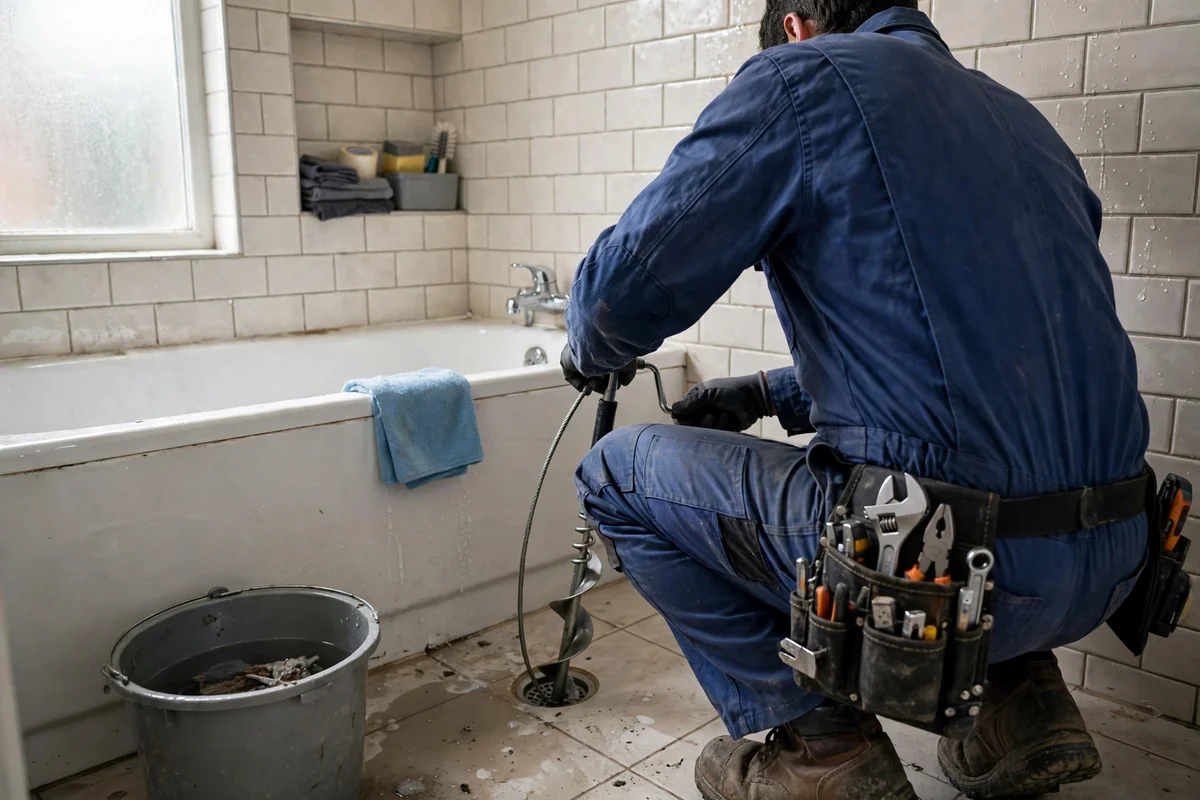
We apply IPC standards for venting, combustion air, and supply line sizing on gas water heaters. It is the same code book local inspectors use, so the work passes the first time.
We check power or gas supply, thermostat, element or burner, and pilot assembly in order. Many no-hot-water calls end at a single failed component, not a failed tank.
Sediment, a failed upper or lower element, or a thermostat fault can all shrink usable hot water. Testing separates those causes before any part is ordered.
Sediment on the tank floor boils and rumbles as it heats. A flush and an anode rod check address the cause; ignoring it shortens tank life.
A fitting, valve or supply connection leak is repairable. A leak from the tank body itself is not, and the two are distinguished before any repair is promised.
Conyers heater repair work follows water chemistry and heater location. Mineral content drives sediment and anode rod consumption, so a yearly flush and anode check are the practical maintenance pair. Older homes often have original gas tanks in exterior closets, where venting and combustion air need a close look; newer builds more often have tankless units in attics, with descaling and error-code diagnosis as the common calls. Cold snaps in the 20s add a second wave of calls, as heaters work harder and older units fail under the load — those visits are still scheduled during business hours.
A household woke to no hot water, with the tank showing no obvious leak.
Testing found a failed element. Replacing it restored full hot water, and the tank was flushed and its anode rod checked during the same visit.
No hot water does not mean a dead tank. Elements, thermostats and pilot assemblies fail first and cost far less than a unit.
A rumbling tank with lukewarm delivery pointed to sediment rather than a failed burner.
A flush cleared the sediment blanket, the anode rod was checked, and delivery temperature recovered without replacing the unit.
Popping or rumbling is usually sediment boiling on the tank floor. A flush addresses it; ignoring it shortens tank life.
Water under a heater looked like a tank failure until the fittings were tested.
The failed supply connection was replaced and the temperature and pressure valve checked. The tank itself was sound and stayed in service.
Water under a heater deserves a fitting test before a replacement quote. Tanks and fittings fail differently.
Most heater repair calls fall into a handful of categories, and a fifth — a failed tank body — is a replacement, not a repair. Here are the repair cases we see most often in Conyers.
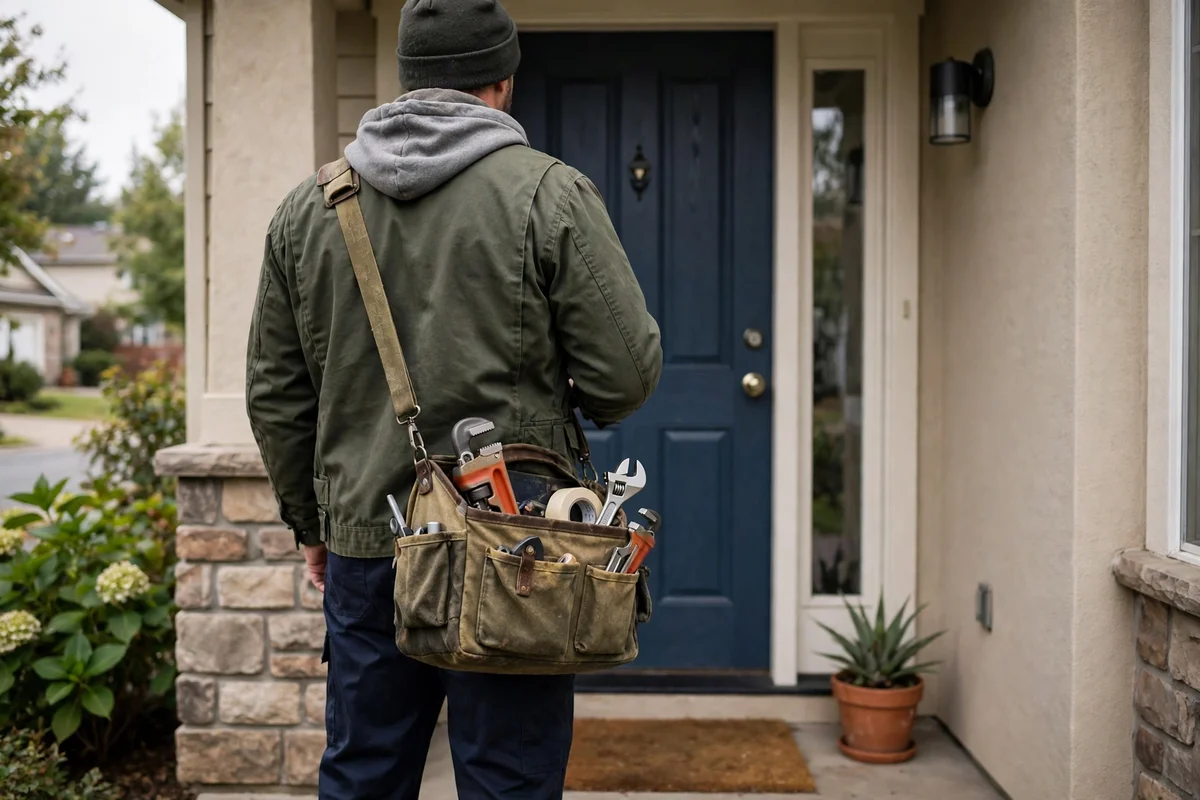
Power or gas, thermostat, element or burner, and pilot assembly are tested in order. The failed component is replaced and the unit tested at full demand.
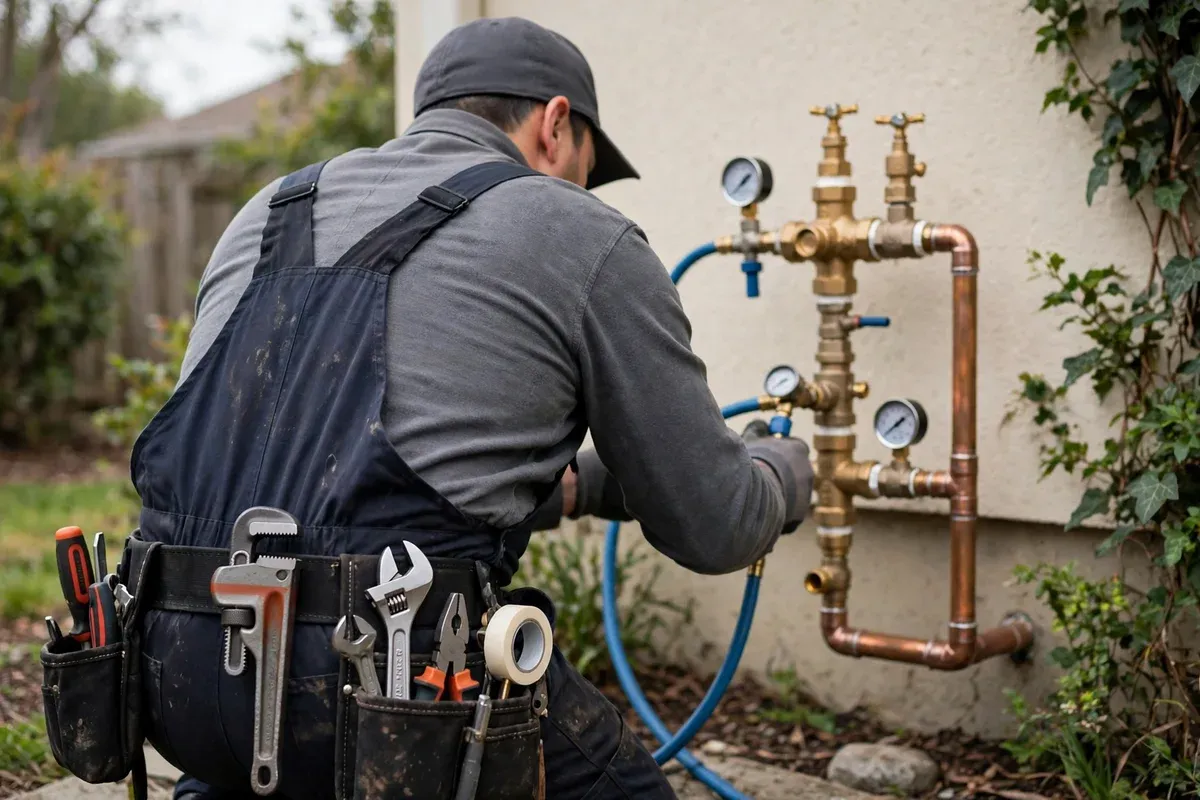
Sediment, element and thermostat faults are separated by testing, so the fix matches the cause instead of the symptom.
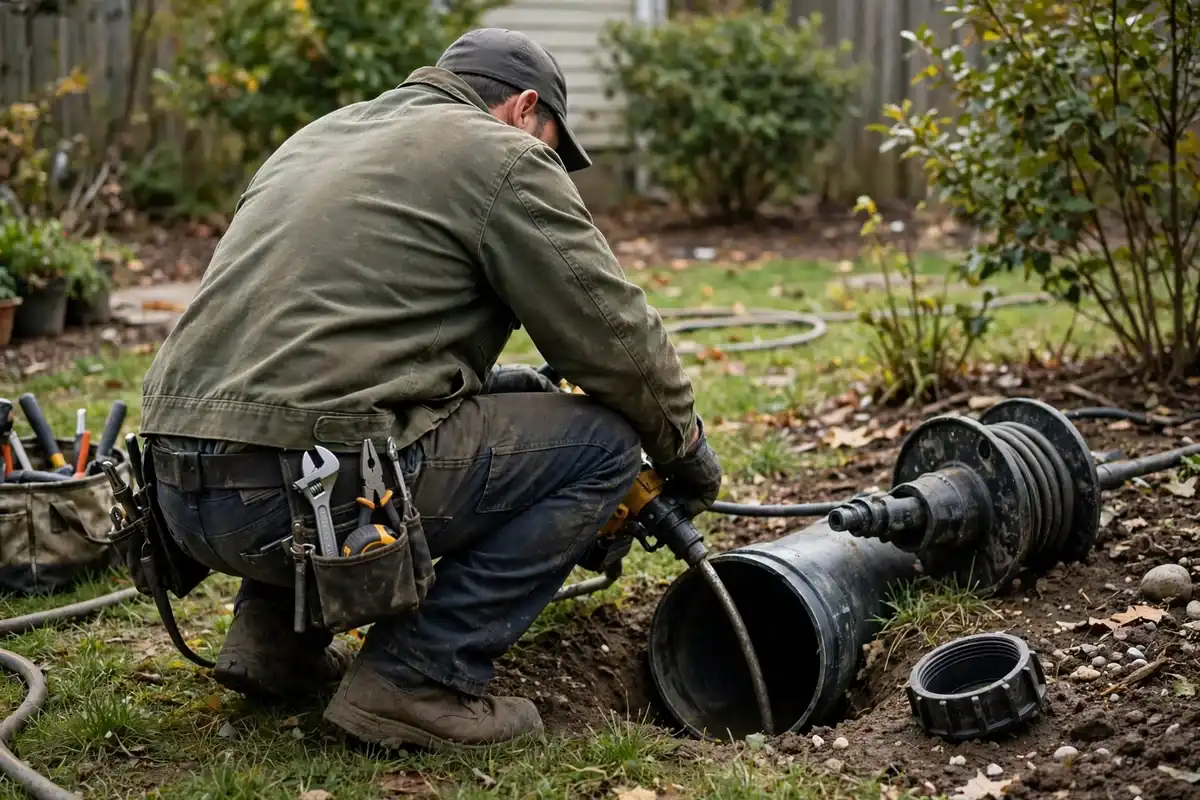
Sediment build-up is flushed and the anode rod checked. Both are maintenance-driven faults, not tank failures.
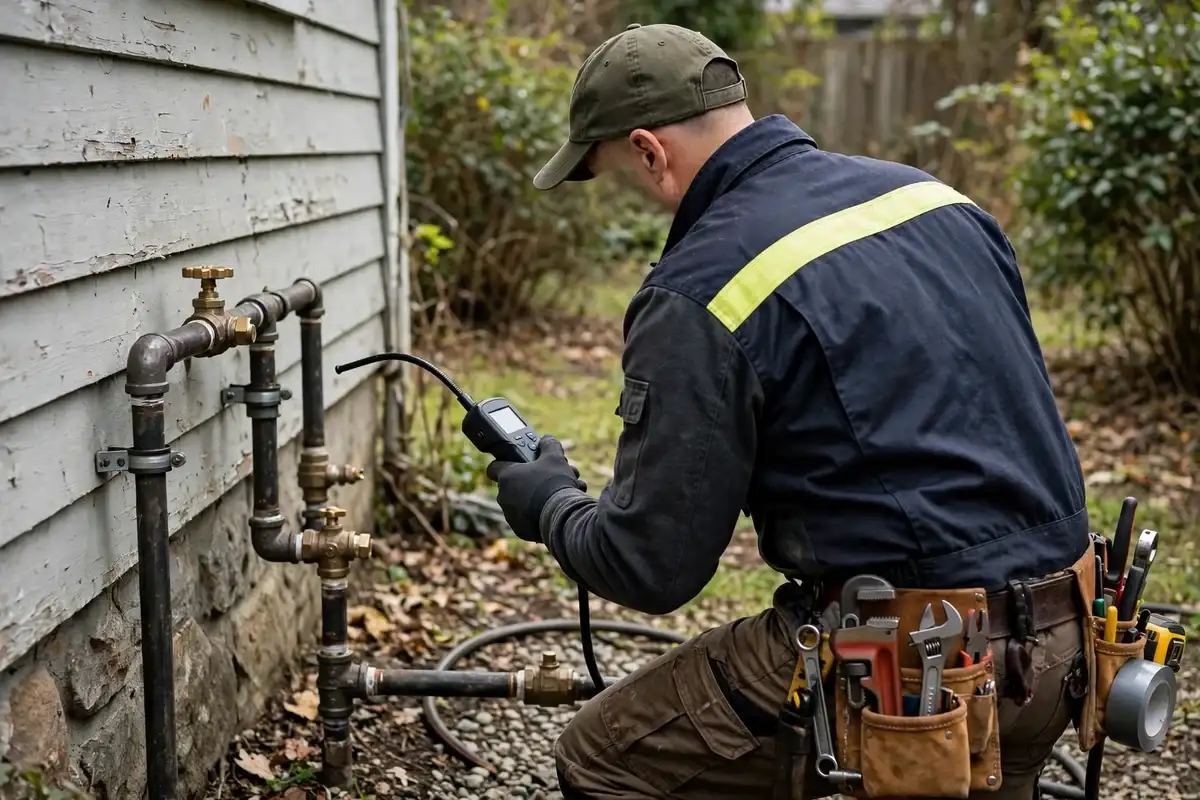
Supply connections, temperature and pressure valves and expansion controls are inspected and repaired, with the tank body distinguished from the fittings.
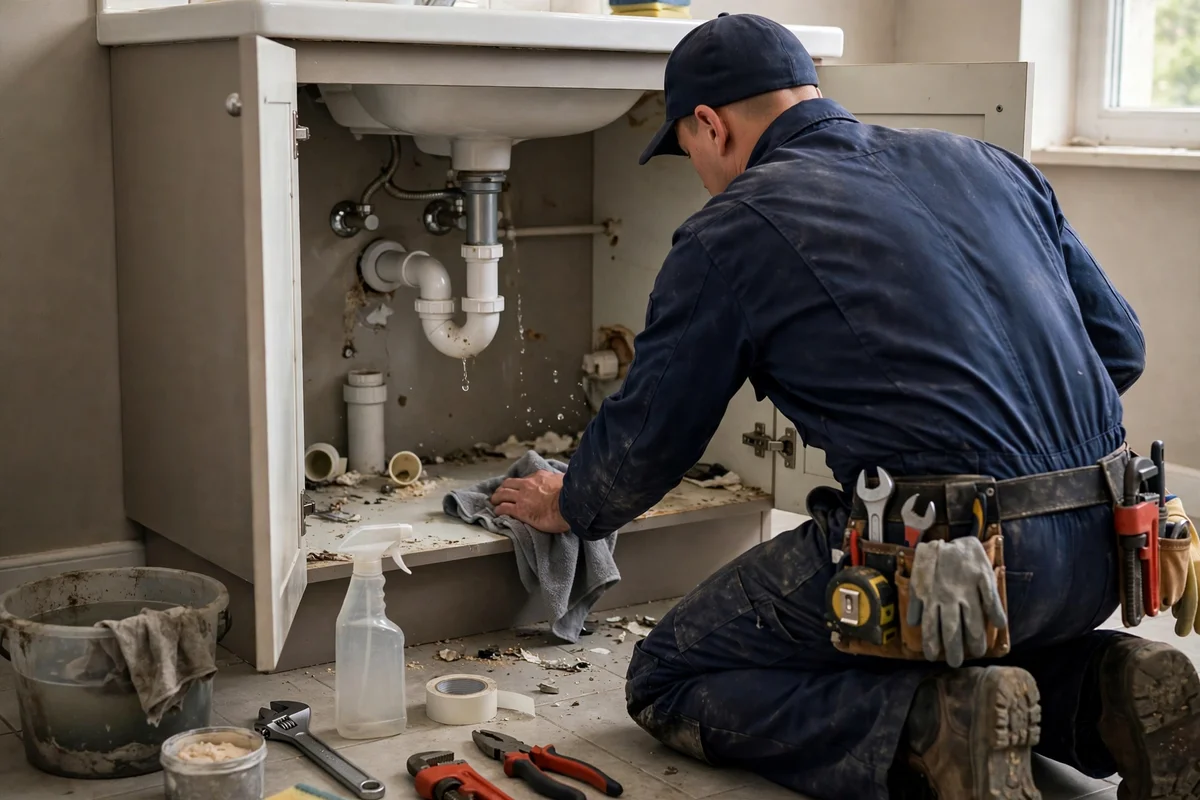
Pilot assemblies, igniters and gas valves are tested as applicable. A pilot that will not stay lit has a specific cause, and it is found before parts are swapped.
You agree the price and the scope before work starts. Oct-2026 Atlanta market data on this page is background only, never a quote for your job — call for a written price before work.
Water heater repair work is built to the 2024 International Plumbing Code with Georgia Amendments, effective 1 January 2026. Permits are checked with the City of Conyers or Rockdale County as applicable, where a repair changes venting or the tank itself.
A failed component does not make a failed heater. Testing comes before any replacement recommendation, so a sound tank stays in service.
Repaired heaters are run to temperature and checked for leaks before we pack up, and old parts are shown to you so you can see what was replaced.
Clear records you can keep and share.
Agreed before any repair work begins.
Every fitting and fixture noted on the invoice.
Line tested and confirmed before we leave.
Three observations make a heater visit faster. Here is what to note before calling.
No hot water, lukewarm water, noise or a leak each point to different components. Note which one you have.
Water at a fitting points to a repairable fault; water from the tank body points to replacement. Note the location.
Fuel type and approximate age narrow the diagnostic path considerably. Both are worth knowing before the call.
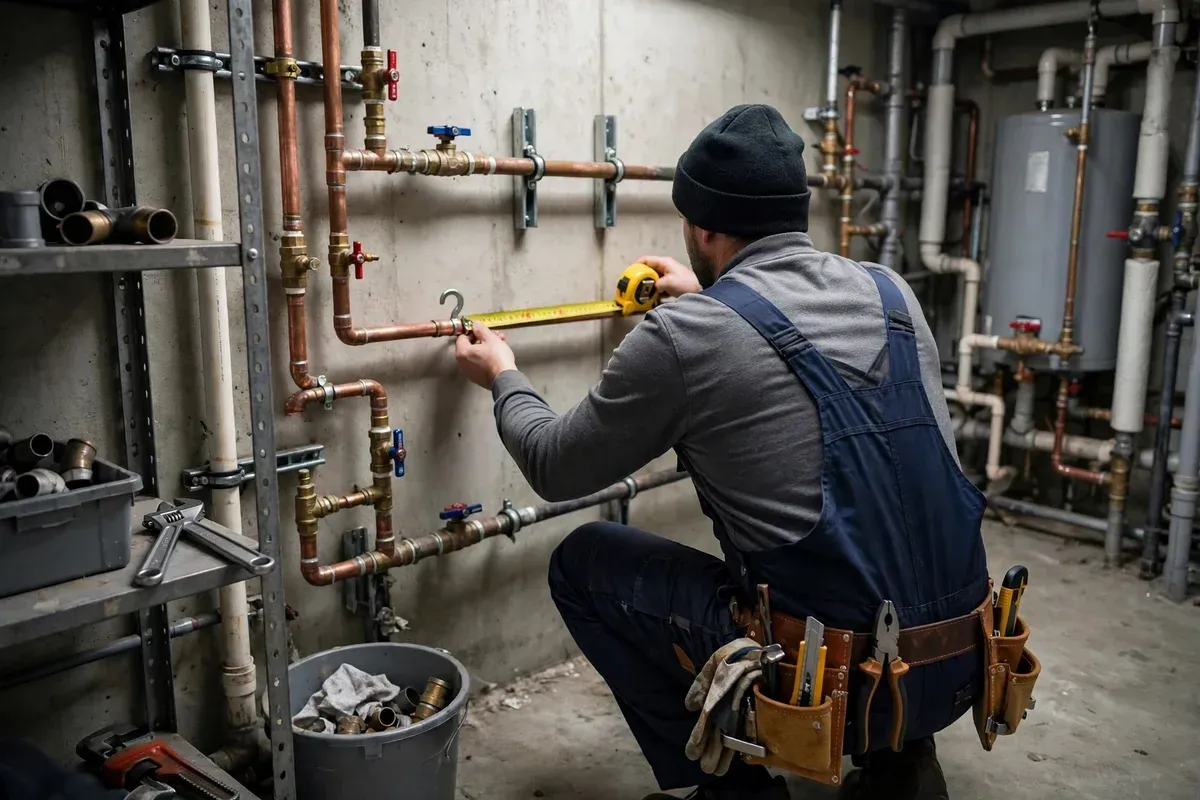
Call to confirm coverage in your part of Conyers and Rockdale County. +17708971640
4.7 stars from 7 Google reviews · Read reviews on Google
Monday to Friday, 9 AM to 5 PM; Saturday and Sunday closed. If a burst pipe or sewer backup happens outside those hours, shut off the water, stop running water, and call +17708971640 at 9 AM. If you smell gas, leave the building first and call 911 or your gas utility — do not wait for a plumber.
No firm price is possible before testing, since an element and a gas valve are different jobs. As background only, Oct-2026 Atlanta market data, not SoCo Plumbers' prices — call for a written price before work.: Angi's Atlanta average for a plumber visit was $316 (range $174–$460) in July 2026. A written price is agreed after diagnosis.
Permits are checked with the City of Conyers or Rockdale County as applicable, and the requirement depends on the scope of the work. No Conyers water-heater permit fee is stated here, because that figure is unverified.
When the tank body itself leaks, or when components fail in succession on an ageing unit so that repair costs approach replacement over the next few years. That comparison is made on your unit's test results, not on age alone.
No hot water, lukewarm water, a rumbling tank or a leak at a fitting — call SoCo Plumbers at +17708971640 during business hours. Tested first, repaired where the tank is sound.
Call SoCo Plumbers Monday to Friday, 9 AM to 5 PM for water heater repair. Tell us the symptom, where any water is appearing, and whether the unit is gas or electric.