Written price before work
Agreed before any repair work begins.
Leak detection in Conyers is the work of finding water you cannot see: a bill that doubled with no visible drip, a warm patch on a slab floor, a damp cabinet base with no obvious source. SoCo Plumbers locates the leak with meter, acoustic and pressure testing during business hours, Monday to Friday, 9 AM to 5 PM, and repairs the failed section once its position is confirmed — before any concrete, drywall or flooring is opened.
Every leak detection and repair visit follows the same core scope: diagnose first, agree the price and scope in writing, do the work, and test before leaving.

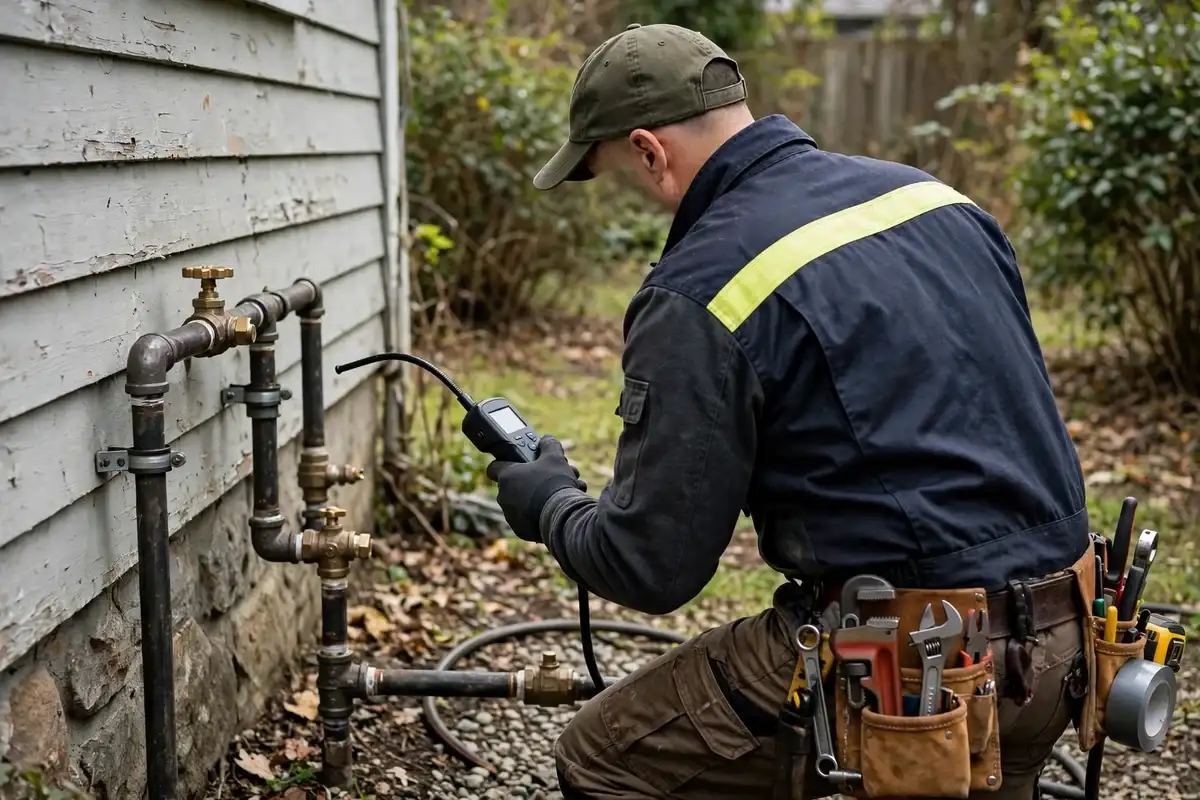
For Conyers homes: hidden supply leaks, slab leaks, damp patches with no source, and bills that jumped without explanation, located and repaired during business hours.
Offices, restaurants, shops and multi-family buildings with a hidden leak get the same locate-first approach during business hours, with findings documented for the property record before any opening-up.
A hidden leak is a diagnosis problem before it is a repair problem. Cutting into a slab or a wall on a guess is expensive and often wrong: the damp patch, the warm floor or the doubled bill may sit metres from the actual failure. Meter testing establishes whether water is moving when nothing is running, pressure testing isolates which branch is losing pressure, and acoustic listening narrows the position along that branch. Only then is the failed section exposed and repaired. Our plumbing repairs work covers visible leaks, and our pipe repair and replacement work covers the failed section once it is found; detection is the step that connects the symptom to the section.
Conyers conditions make hidden leaks a standing risk. Red clay expands and contracts with the seasons, stressing underground pipes and causing pinhole and slab leaks; older homes carry copper or galvanized pipe near end of life, while newer PEX systems leak at fittings where installation was poor. Rockdale Water Resources supplies most of the area, and a meter test against its supply is often the first proof that a leak exists at all. A slab leak found early is a section repair; found late, it is flooring, framing and a far larger bill.
Prove there is a leak, locate it, then open only where it is.
From the first call to the final test, here is the sequence for a leak detection and repair visit in Conyers, booked during business hours.
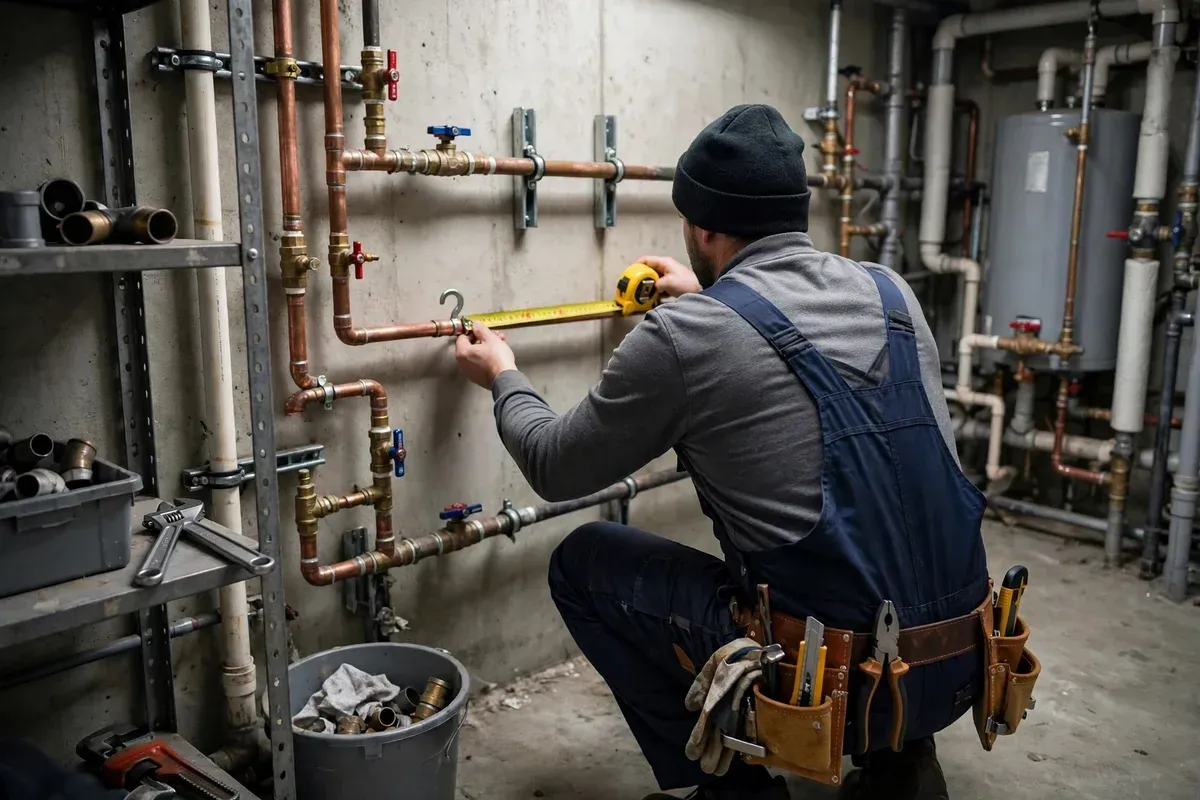
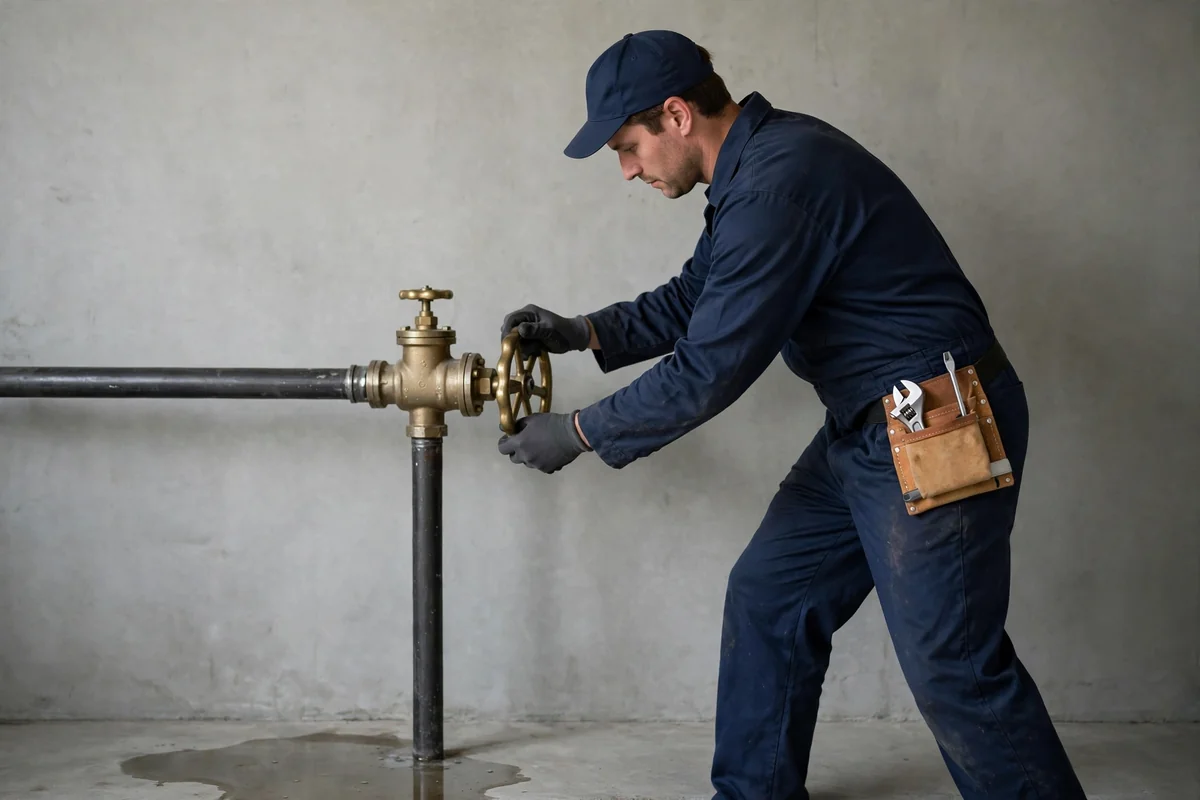
Call +17708971640 Monday to Friday, 9 AM to 5 PM. Tell us about the bill spike, damp spot, or sound of running water, and where; we will talk through shutting off water or an individual valve if that is the safe first step.
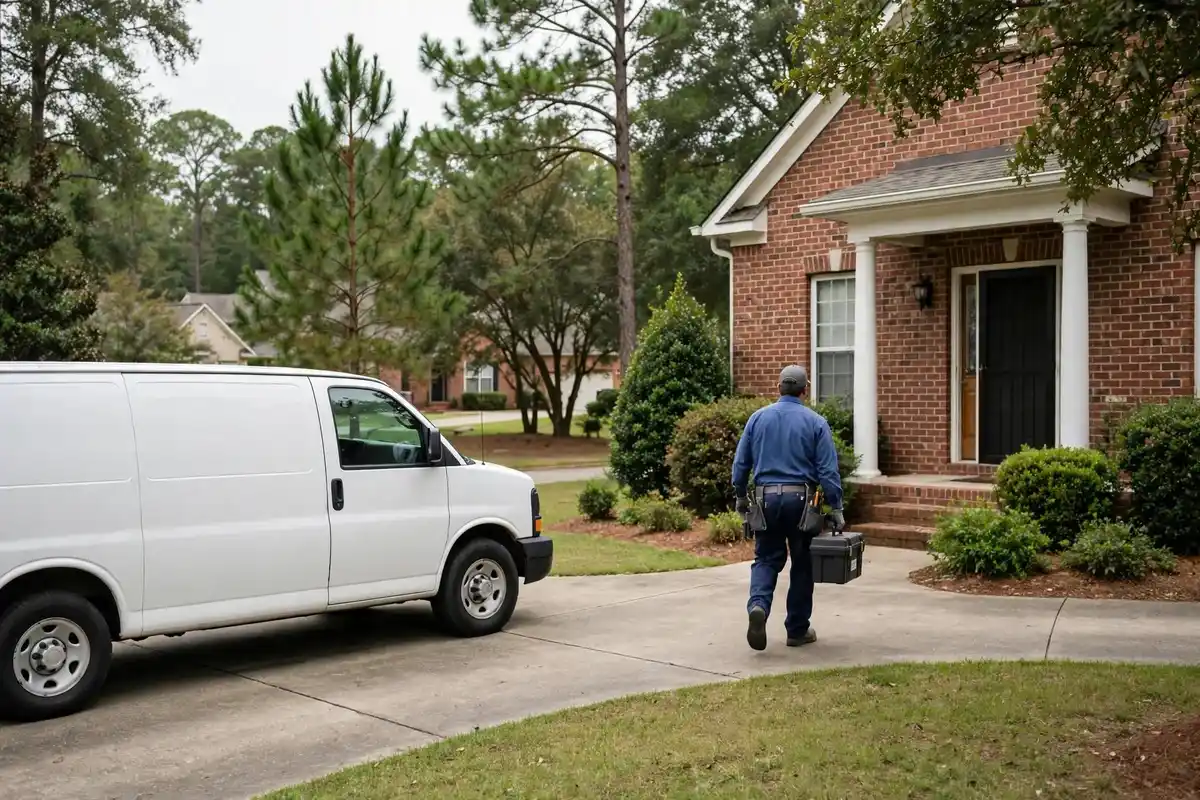
We schedule a visit during business hours and confirm the window. On arrival we run the meter test and listen on the likely runs first, before any wall is opened.
We test the meter with everything off, then isolate branches by pressure. The branch losing pressure is the branch that holds the leak.

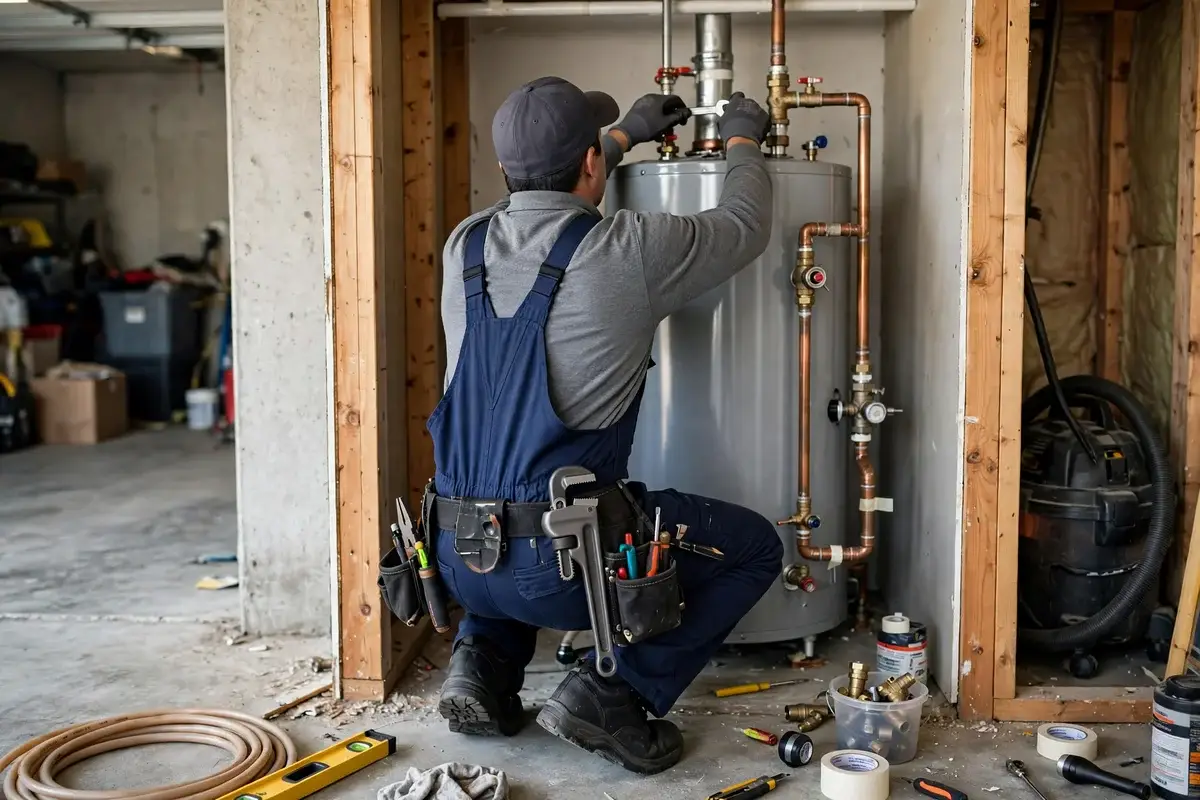
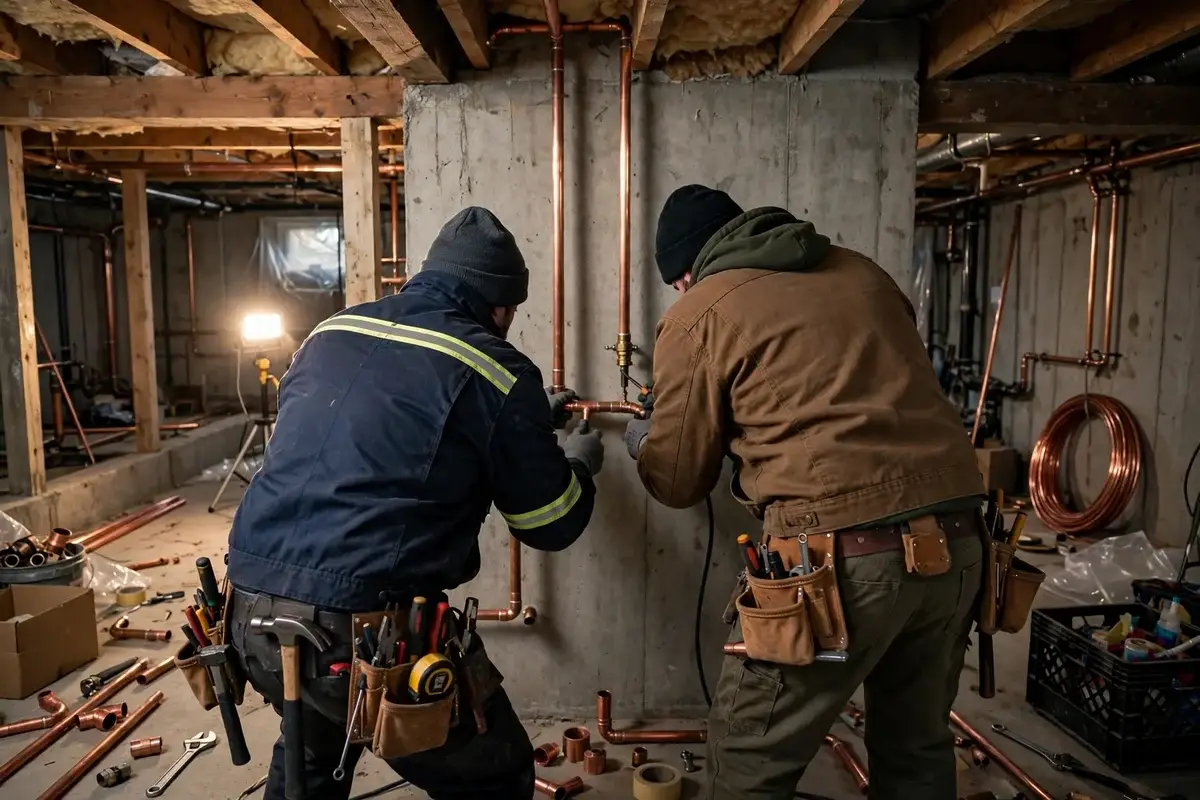
The failed section is exposed at the located position, repaired to code, and pressure-tested. The work area is cleaned and the findings summarised in writing.
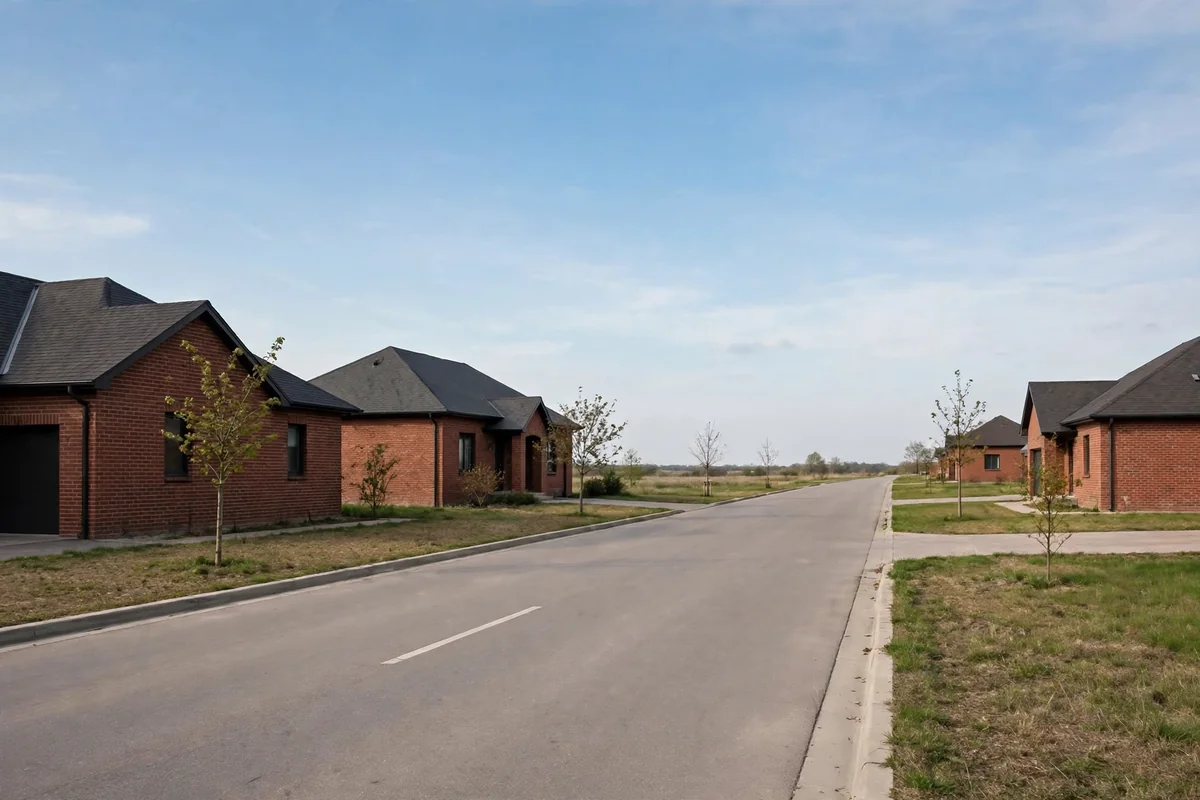
Before we leave, the repaired run is pressure-tested and the meter is watched for movement, and we walk you through what failed and what to watch next.
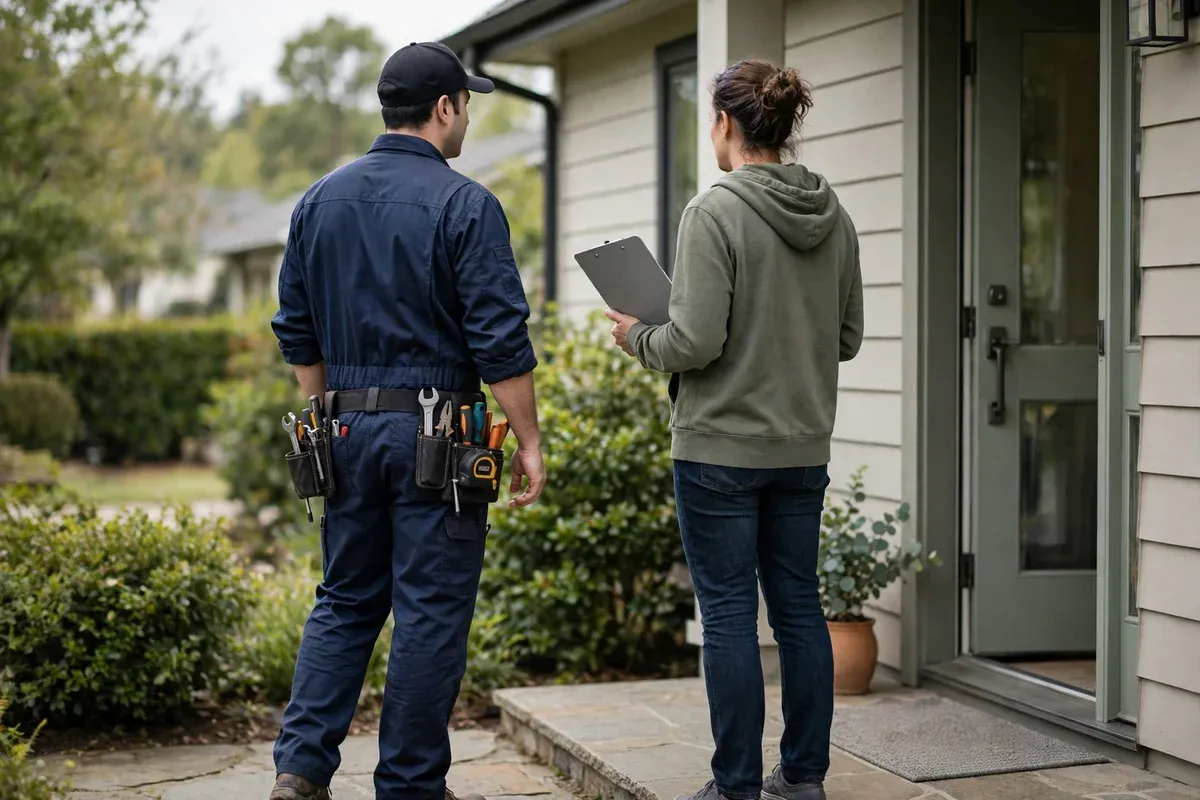
Amplifies the sound of water escaping a pipe so we can pinpoint leaks under slabs or behind walls.
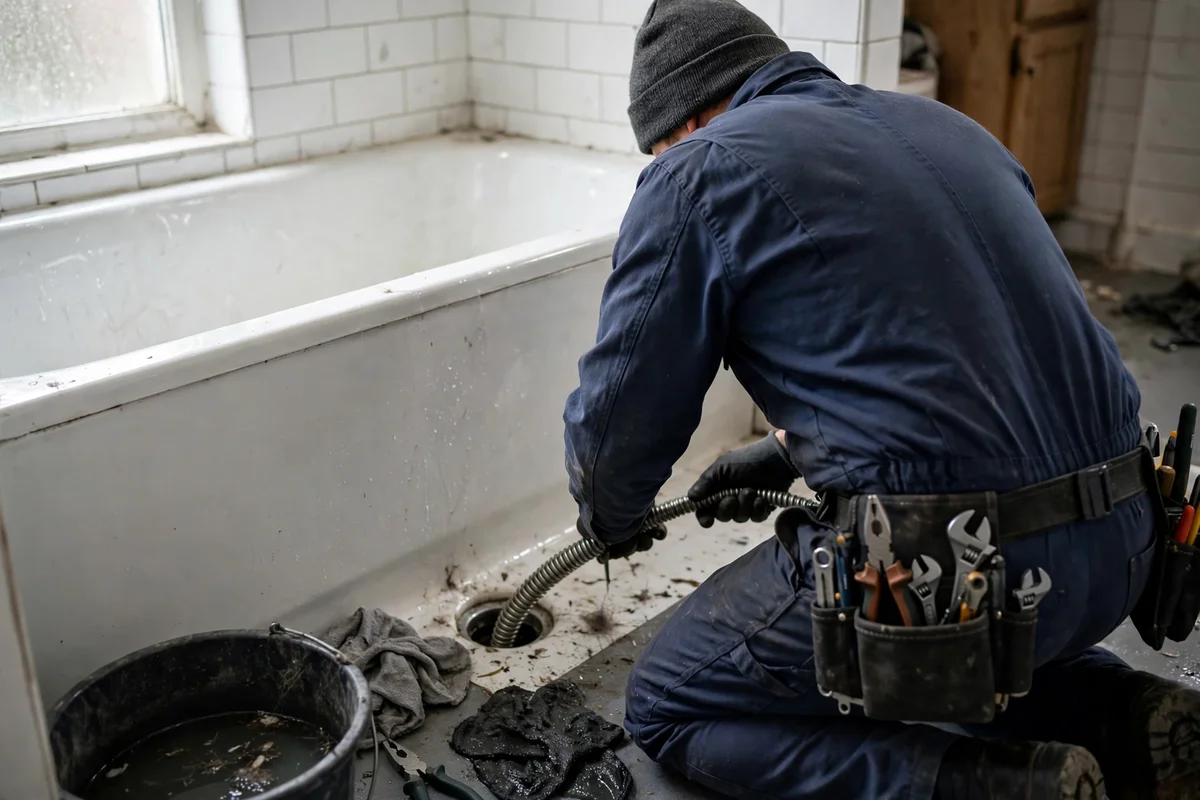
Shows temperature differences caused by hidden moisture, helping us find leaks without opening walls.
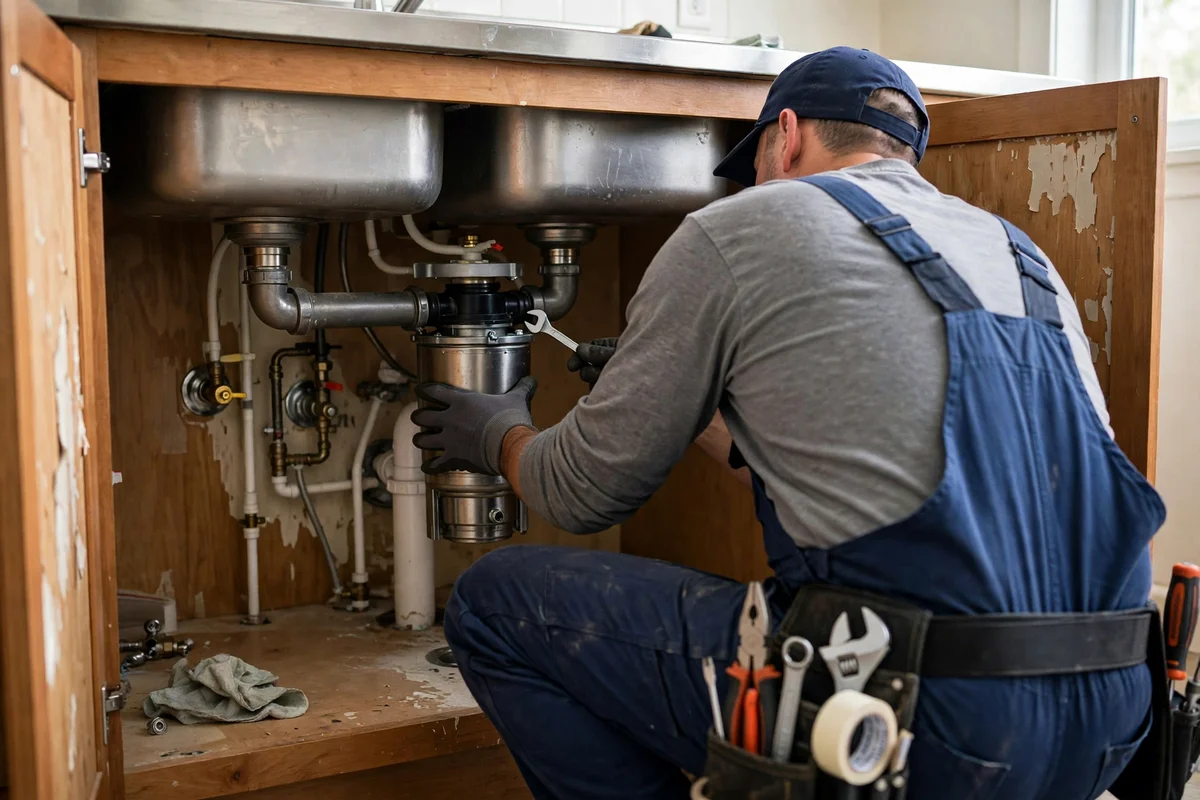
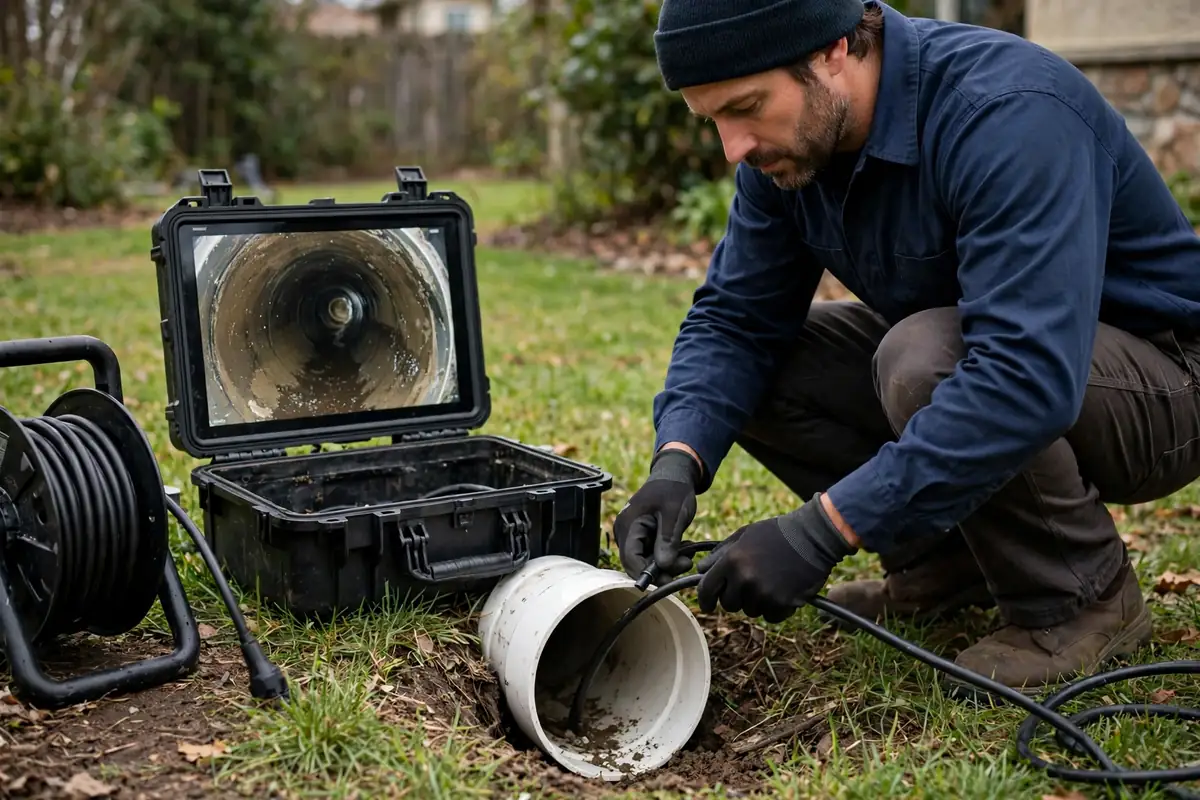
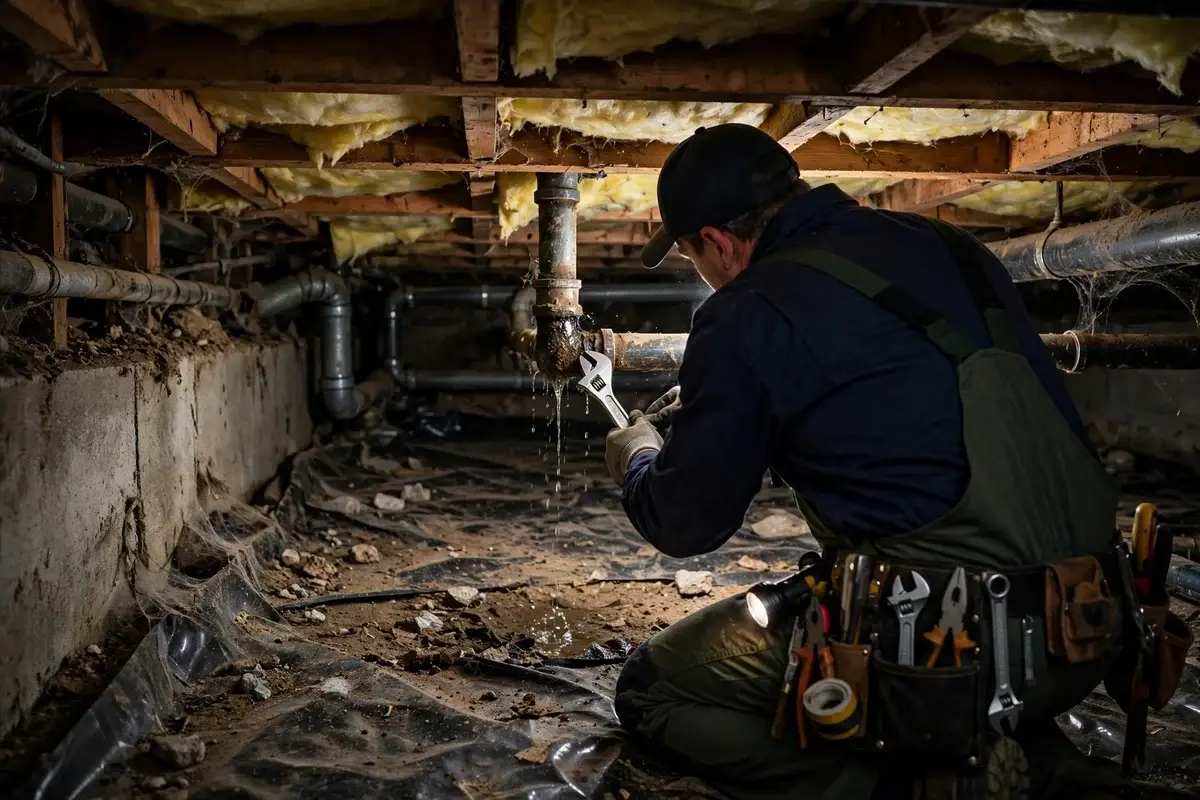
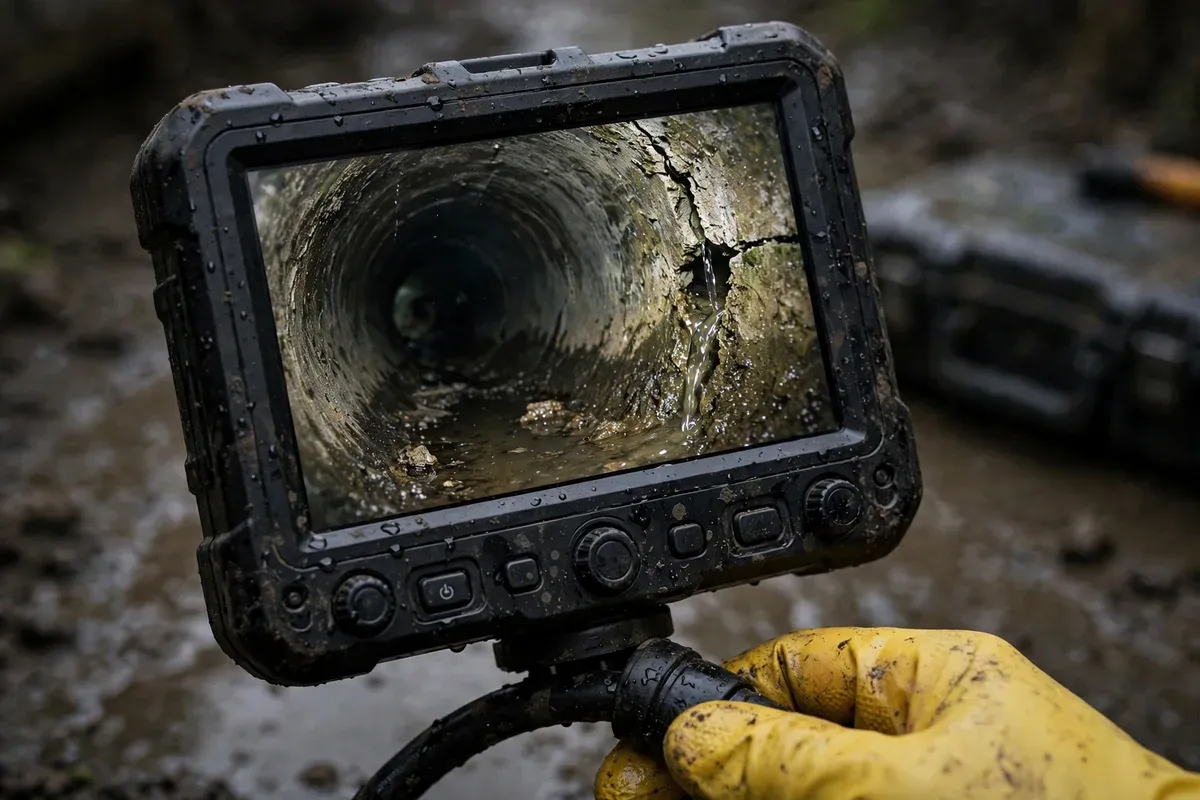
Lets us see inside sewer lines to find cracks, root intrusion, and blockages that cause leaks.
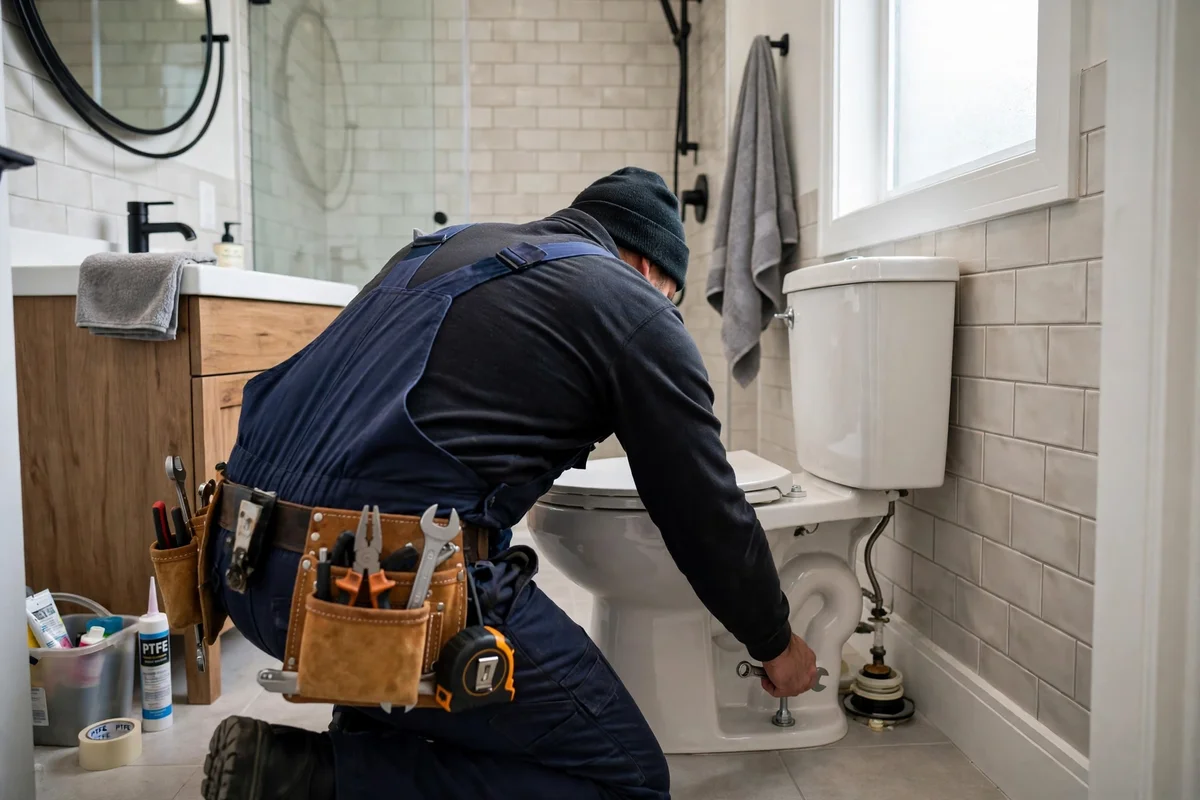
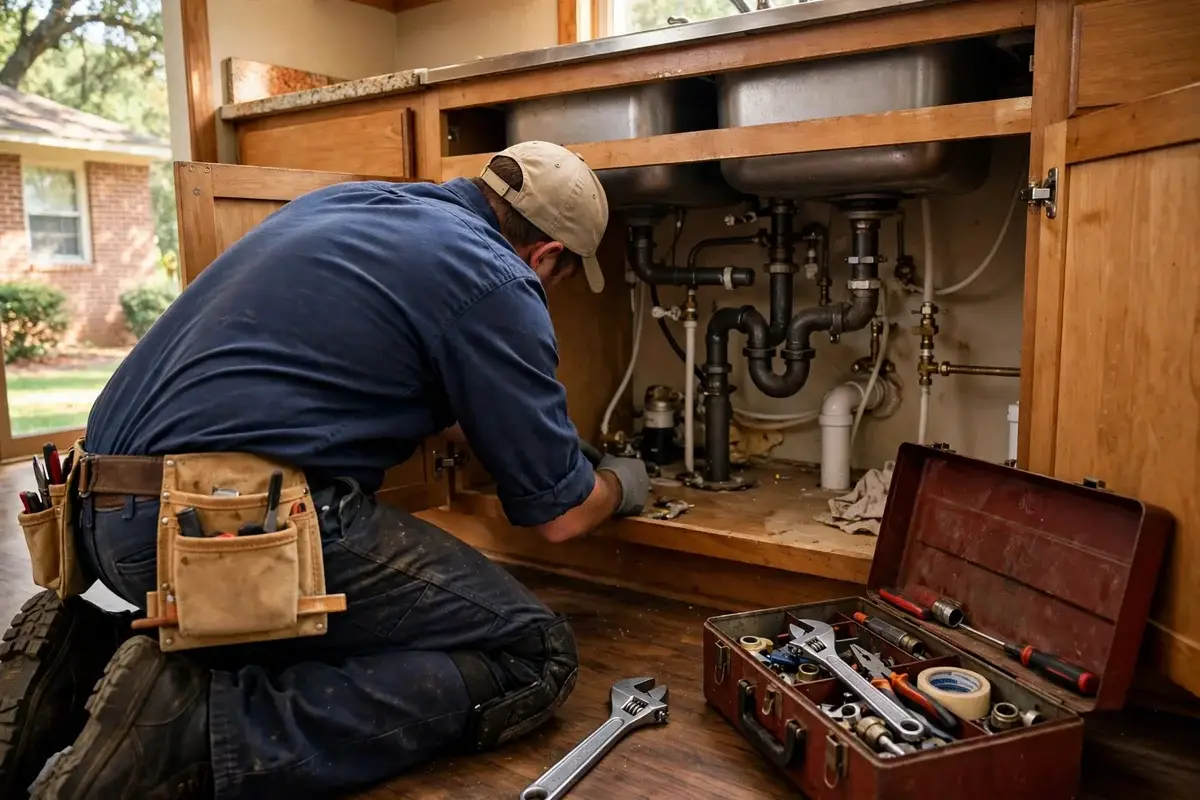
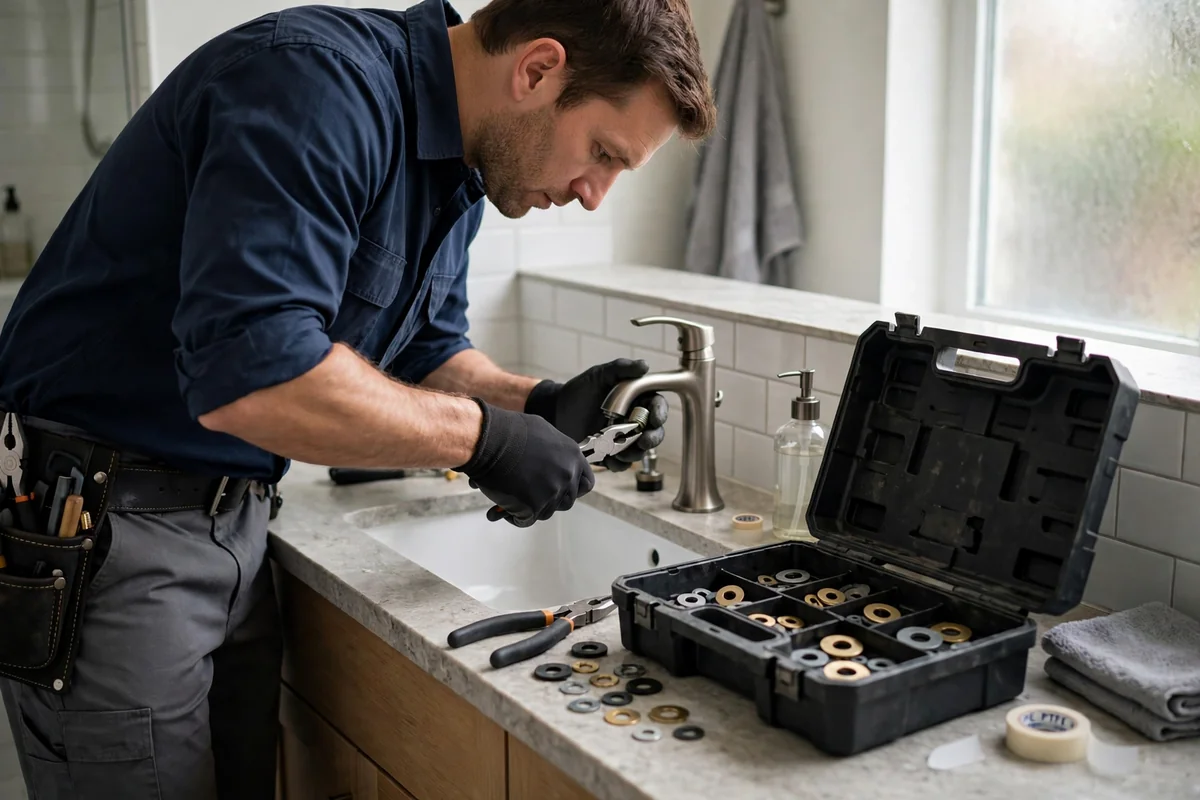
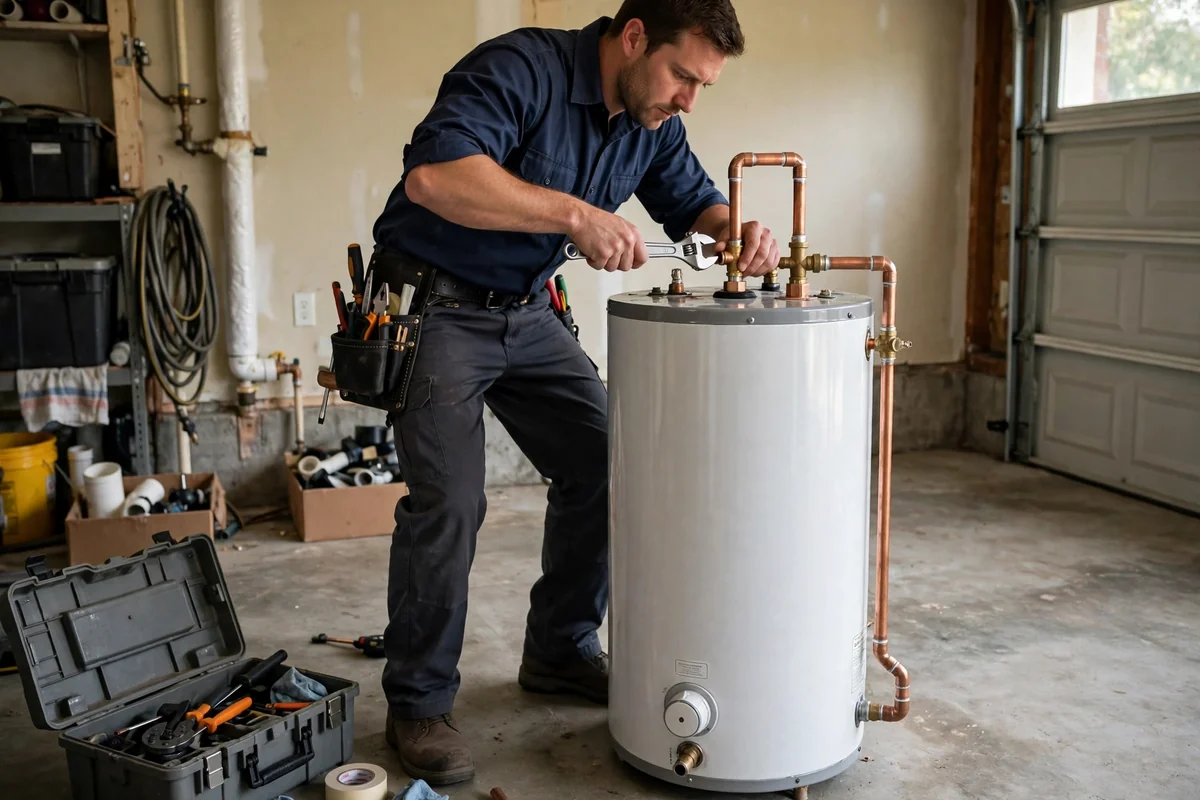
Used to tighten fittings and make secure connections on copper and PEX pipe during repairs.
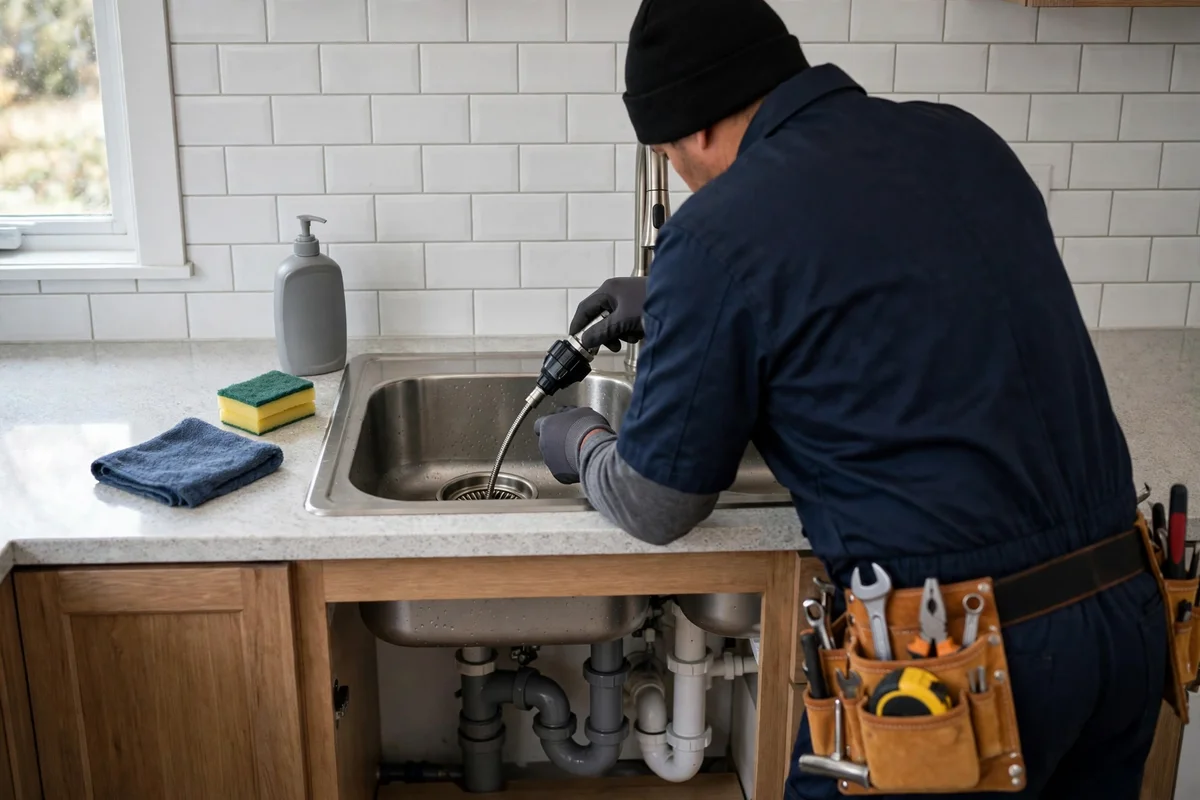
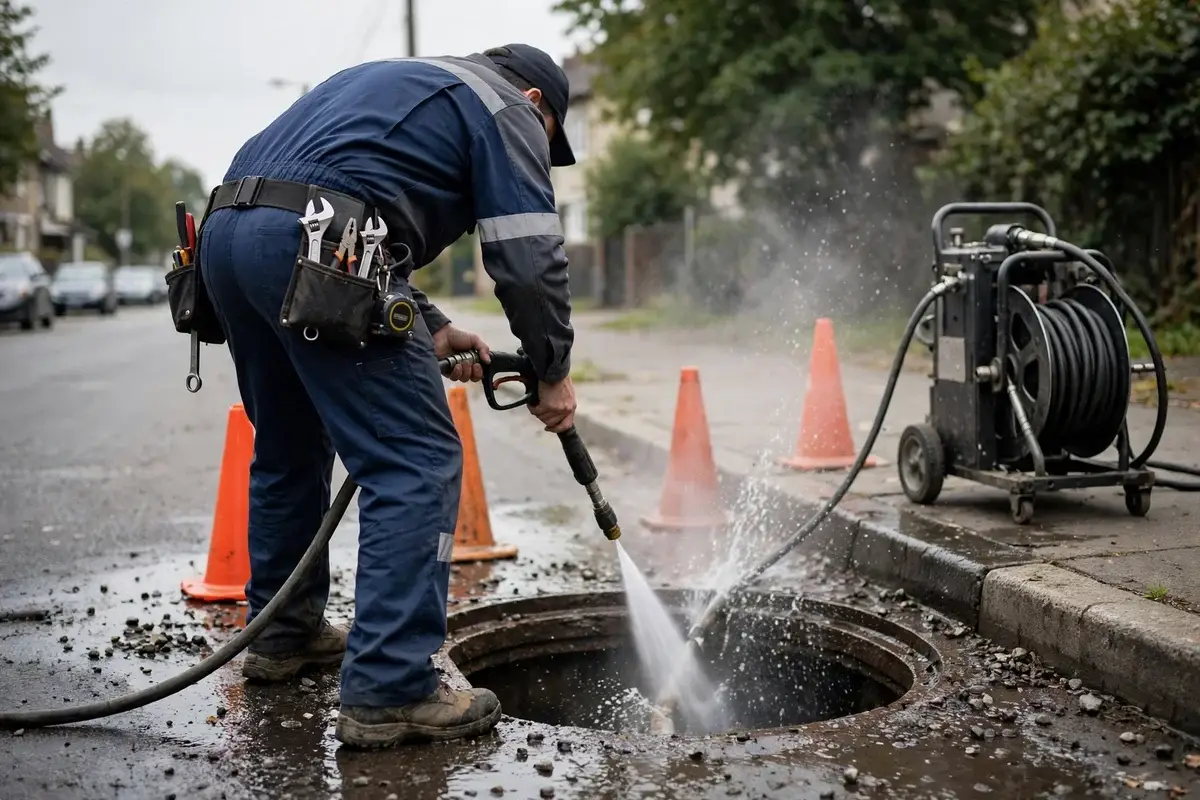
Cleans sewer lines with high-pressure water to remove roots and grease that can lead to leaks.
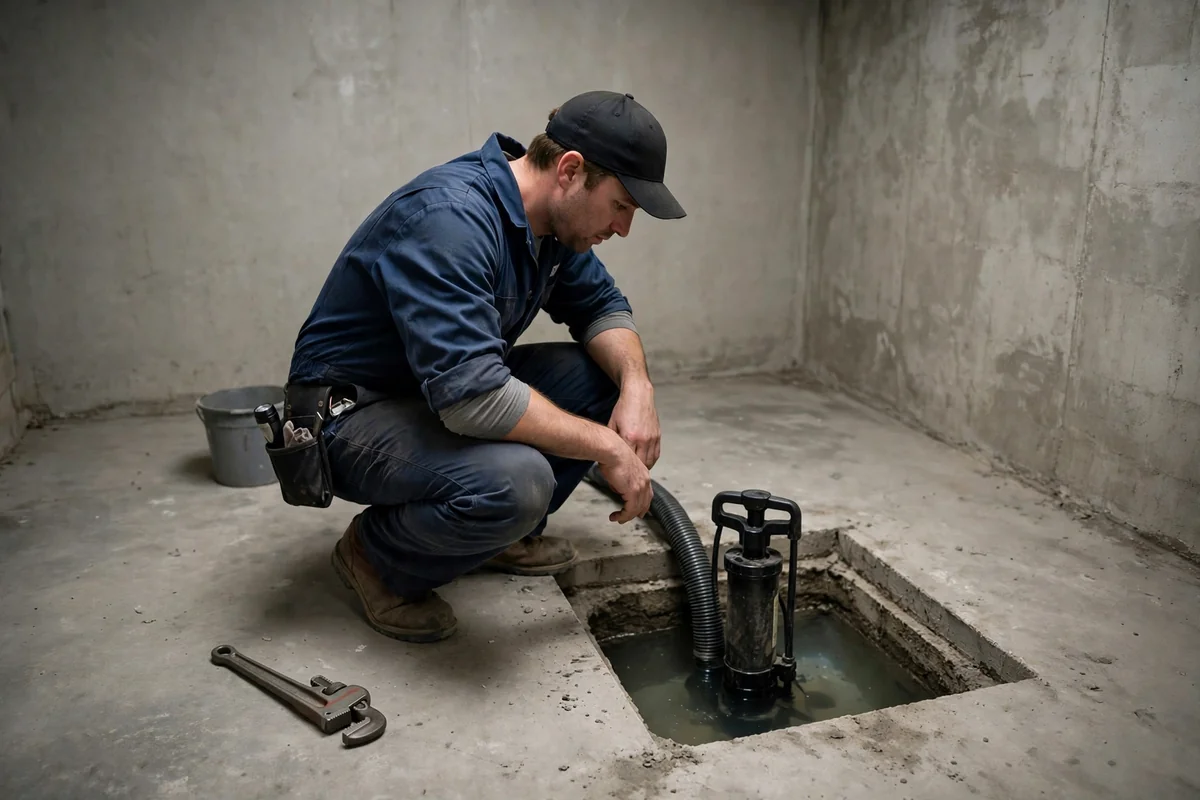
Includes electronic meters and probes to trace hidden leaks in underground lines.
We use acoustic and thermal equipment to find leaks without destructive digging. This method works on slab leaks, underground leaks, and leaks behind walls. It saves time and money.
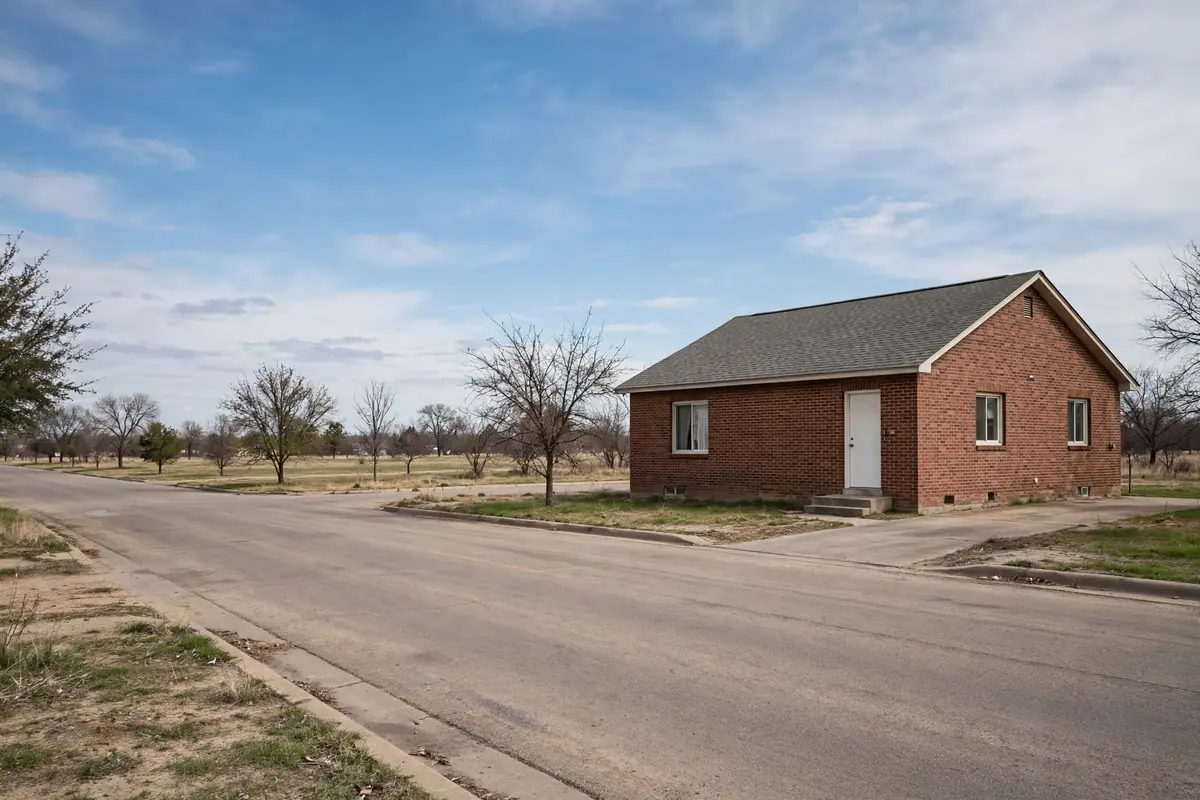
After a repair, we pressurize the line and watch the gauge. If it holds steady for 15 minutes, the fix is good. This confirms the leak is stopped before we leave.
A meter test with all fixtures off proves whether water is moving. If it is, branch isolation and acoustic testing locate the section before anything is opened.
A warm patch on a slab usually means a hot supply line leaking below. Acoustic testing confirms the position, and repair options — including rerouting above the slab where appropriate — are discussed before concrete is touched.
Damp with no visible drip can be a supply joint, a drain joint or condensation. Testing separates those causes, since each has a different repair and a different cost.
A pressure drop across the house with no visible leak points to a hidden supply failure. Branch pressure testing isolates the run, and the leak is located along it.
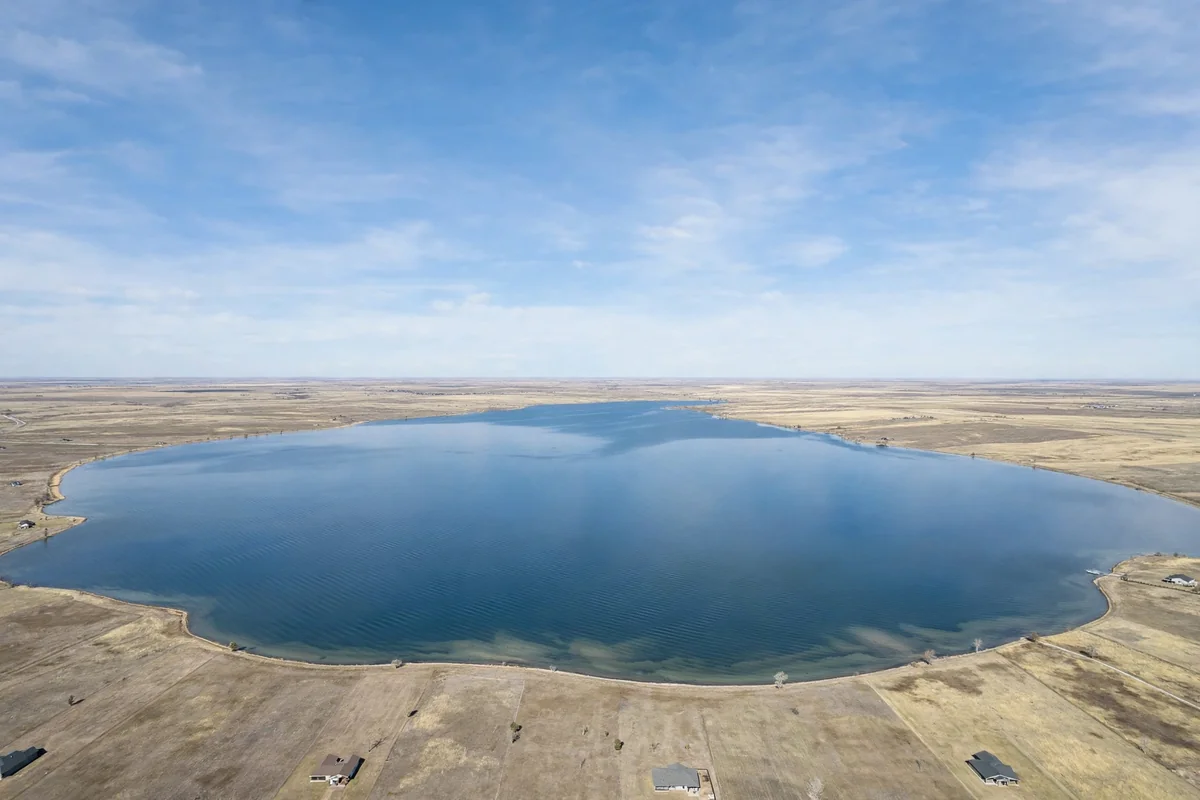
Conyers leak work follows soil and pipe era. Red clay shifting stresses underground pipes and causes pinhole leaks and slab leaks, particularly where older copper or galvanized lines are near end of life. Newer PEX systems fail differently — at fittings, where a crimp was not seated properly. Lake-area homes carry higher soil moisture, which accelerates corrosion on underground pipe. Detection therefore starts with the house's era and construction — slab-on-grade or crawlspace — because that decides both the testing method and the repair route.
A household's bill jumped sharply with no wet patch, no running toilet and no visible leak anywhere.
A meter test proved water was moving with everything off. Branch isolation narrowed it to one run, acoustic testing located the section, and a single repair restored normal usage.
A bill jump with no visible leak is a meter-test job. Check the meter with everything off before assuming a billing error.
A warm area on a slab floor suggested a hot supply leak below, with no damp visible at the surface.
Acoustic testing confirmed the position, and the repair route — including rerouting above the slab where appropriate — was discussed before any concrete was touched.
Warmth on a slab is a hot-line clue. Note whether the patch is warm, damp or both before the visit.
A cabinet base stayed damp despite dry supply joints at the sink above it.
Testing separated a drain-joint fault from a supply fault, and the failed drain section was repaired without opening the wall beyond the located joint.
Damp with no drip is a test-first problem. Supply, drain and condensation each need a different fix.
Most leak detection calls fall into a handful of categories. Here are the ones we see most often in Conyers and how each is handled.
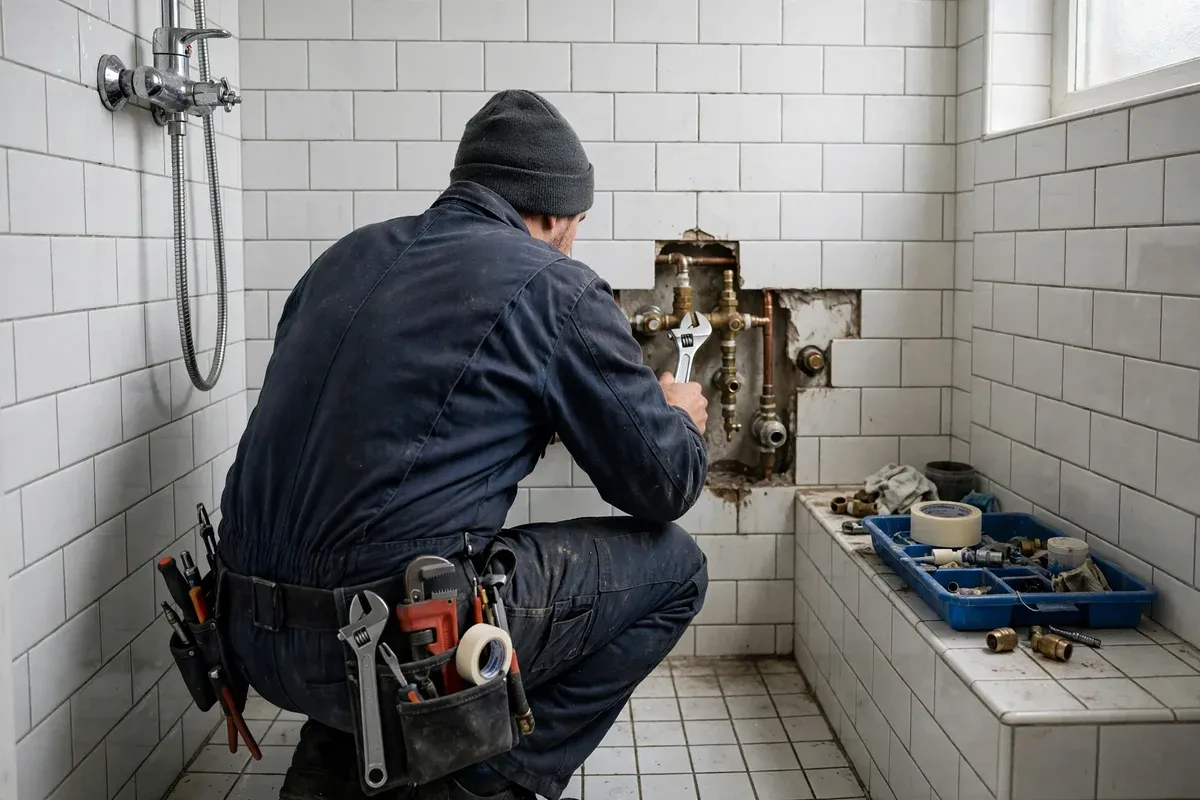
Meter, pressure and acoustic testing locate the section before any opening-up, so walls and slabs are opened only where the leak is.
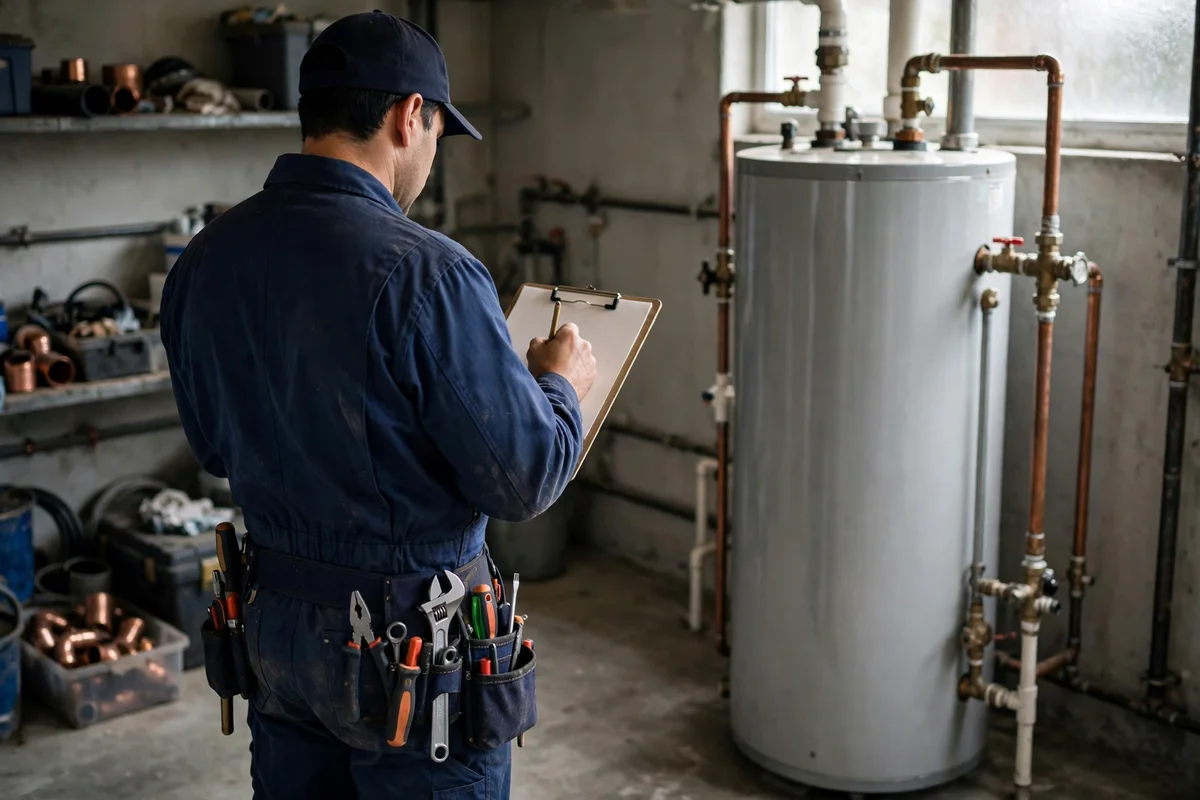
Hot and cold slab runs are tested separately, and the repair route — direct repair or reroute — is discussed before concrete is touched.
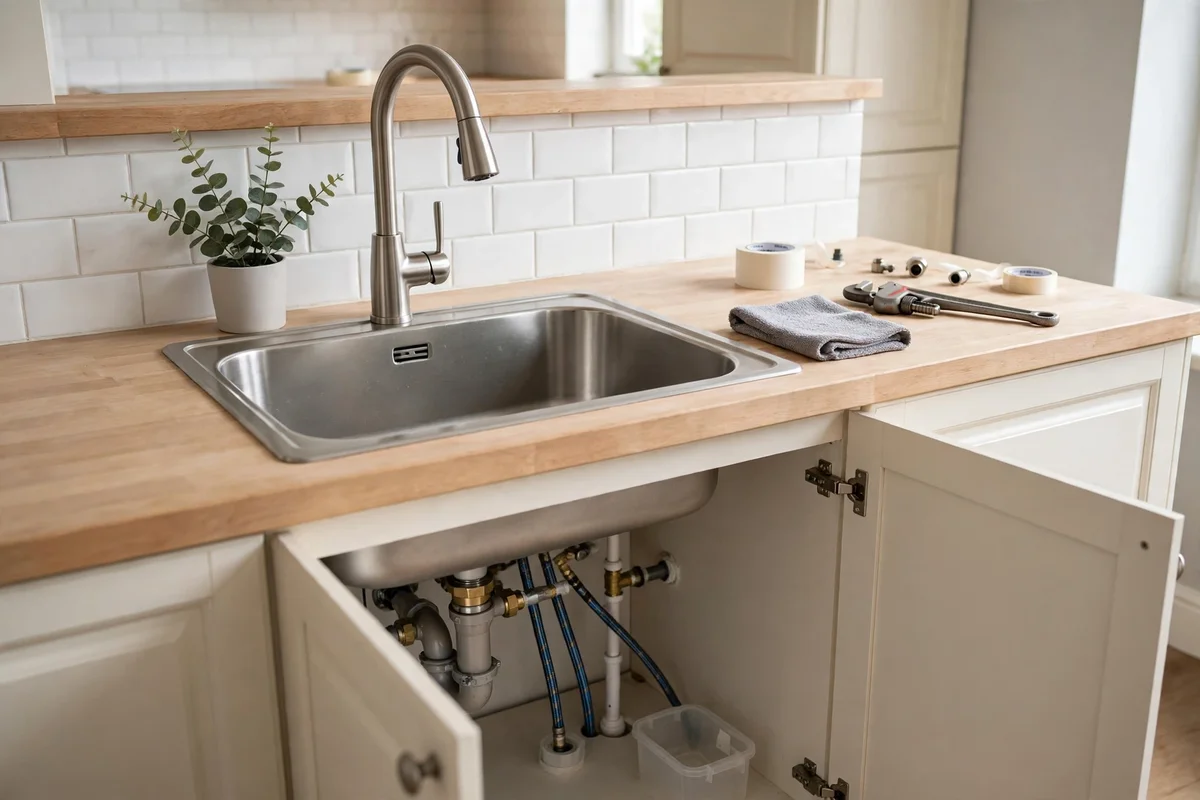
Supply, drain and condensation causes are separated by testing, since each has a different repair.
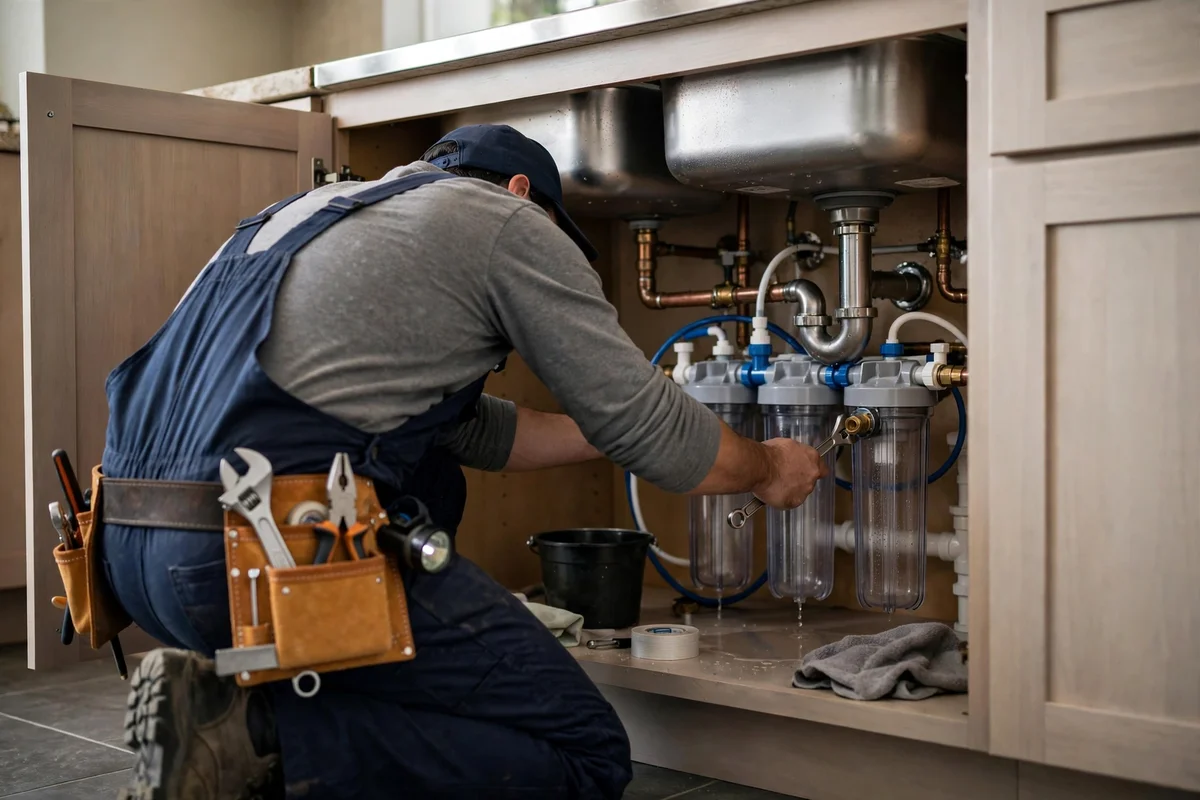
A meter test proves whether a leak exists at all, then branch isolation finds which run is responsible.
You agree the price and the scope before work starts. Oct-2026 Atlanta market data on this page is background only, never a quote for your job — call for a written price before work.
Leak repair work is built to the 2024 International Plumbing Code with Georgia Amendments, effective 1 January 2026. Permits are checked with the City of Conyers or Rockdale County as applicable, where a repair opens a wall or replaces a run.
No slab, wall or floor is opened on a guess. Meter, pressure and acoustic testing come first, and the repair follows the located position.
Repaired runs are pressure-tested and the meter is watched for movement before we pack up, and old parts are shown to you so you can see what was replaced.
Clear records you can keep and share.
Agreed before any repair work begins.
Every fitting and fixture noted on the invoice.
Line tested and confirmed before we leave.
Three observations make a leak visit far more accurate. Here is what to note before calling.
A sudden jump points to a new failure; a gradual climb points to a slow leak or a running fixture. Note the pattern.
A warm patch points to a hot line; a damp patch without warmth points elsewhere. Note which you have.
Construction type decides the testing method and the repair route. If you know which your house is, say so on the call.
Call to confirm coverage in your part of Conyers and Rockdale County. +17708971640
4.7 stars from 7 Google reviews · Read reviews on Google
Monday to Friday, 9 AM to 5 PM; Saturday and Sunday closed. If a burst pipe or sewer backup happens outside those hours, shut off the water, stop running water, and call +17708971640 at 9 AM. If you smell gas, leave the building first and call 911 or your gas utility — do not wait for a plumber.
No firm price is possible before the symptom and the construction type are known. As background only, Oct-2026 Atlanta market data, not SoCo Plumbers' prices — call for a written price before work.: Angi's Atlanta average for a plumber visit was $316 (range $174–$460) in July 2026. A written price is agreed once the leak's position is understood.
Not necessarily. Acoustic and pressure testing locate the leak first, and where a reroute above the slab is appropriate it is discussed before any concrete is touched. The decision follows the located position, not a preset approach.
Yes — a toilet leaking from tank to bowl wastes water continuously without flooding. It is checked during the visit, since it is a common cause of a bill jump with no visible leak.
A bill that doubled, a warm patch on the slab, or damp with no source — call SoCo Plumbers at +17708971640 during business hours. Located first, opened only where it is.
Call SoCo Plumbers Monday to Friday, 9 AM to 5 PM for leak detection. Tell us the symptom, when it started, and whether your house is slab or crawlspace, if you know.