Sizing note
The appliances served and the pipe size chosen, in plain language
Gas line work is not a job to hurry, guess at, or improvise. SoCo Plumbers installs and repairs gas lines for Conyers stoves, dryers, heaters and fireplaces, with sizing, pressure testing and a written price before work. And the safety rule comes first, on every page: if you smell gas, leave the building, do not switch lights or appliances on or off, and call 911 or your gas utility from outside. SoCo Plumbers is open Monday to Friday, 9 AM to 5 PM, and closed Saturday and Sunday. If you call outside those hours, call again during business hours.
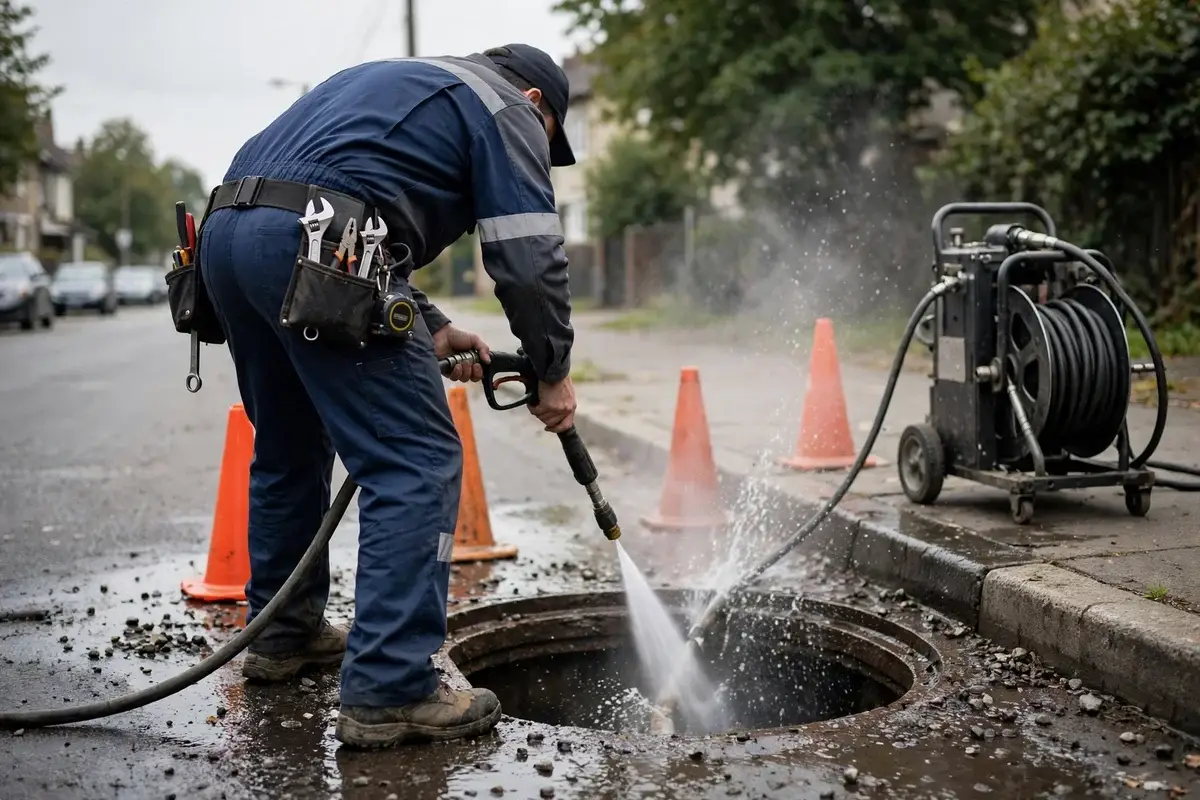
Gas line work covers new runs to an appliance, replacement of ageing or damaged pipe, and repair of a proven leak once the area is safe. Every job includes sizing, material choice, testing and a plain explanation of what was done.
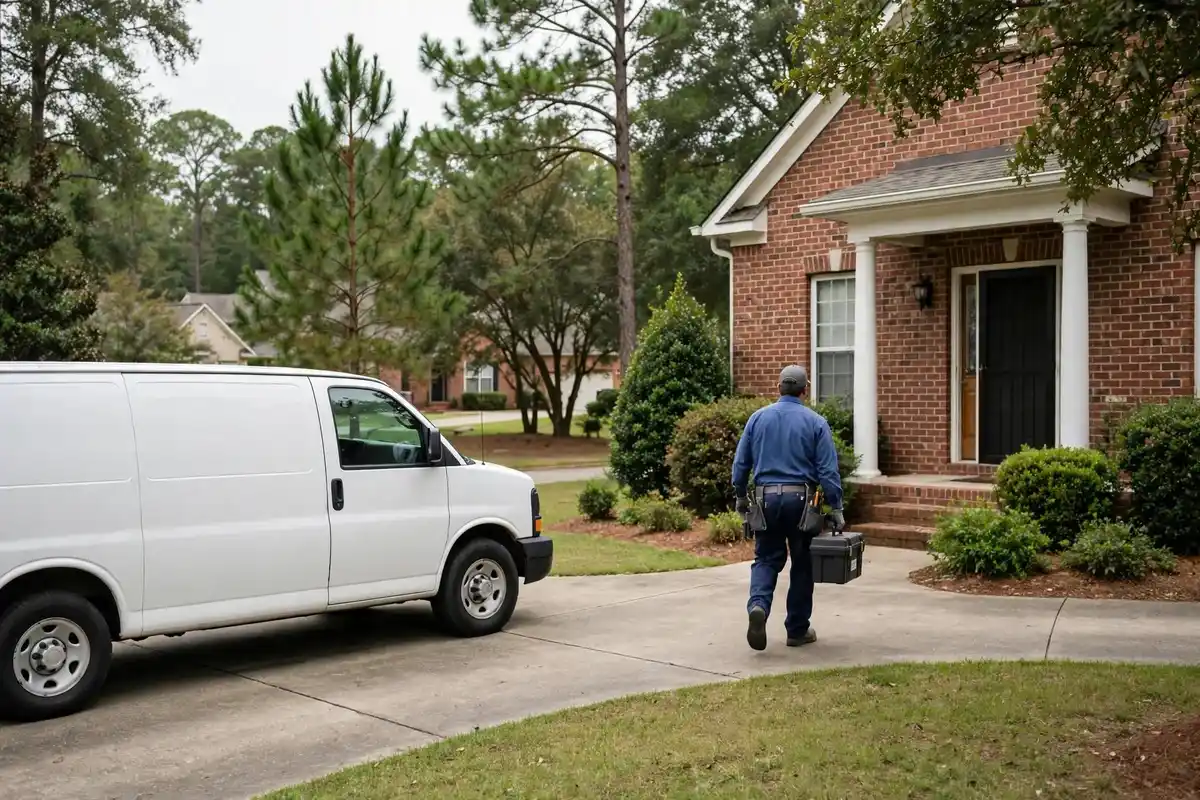
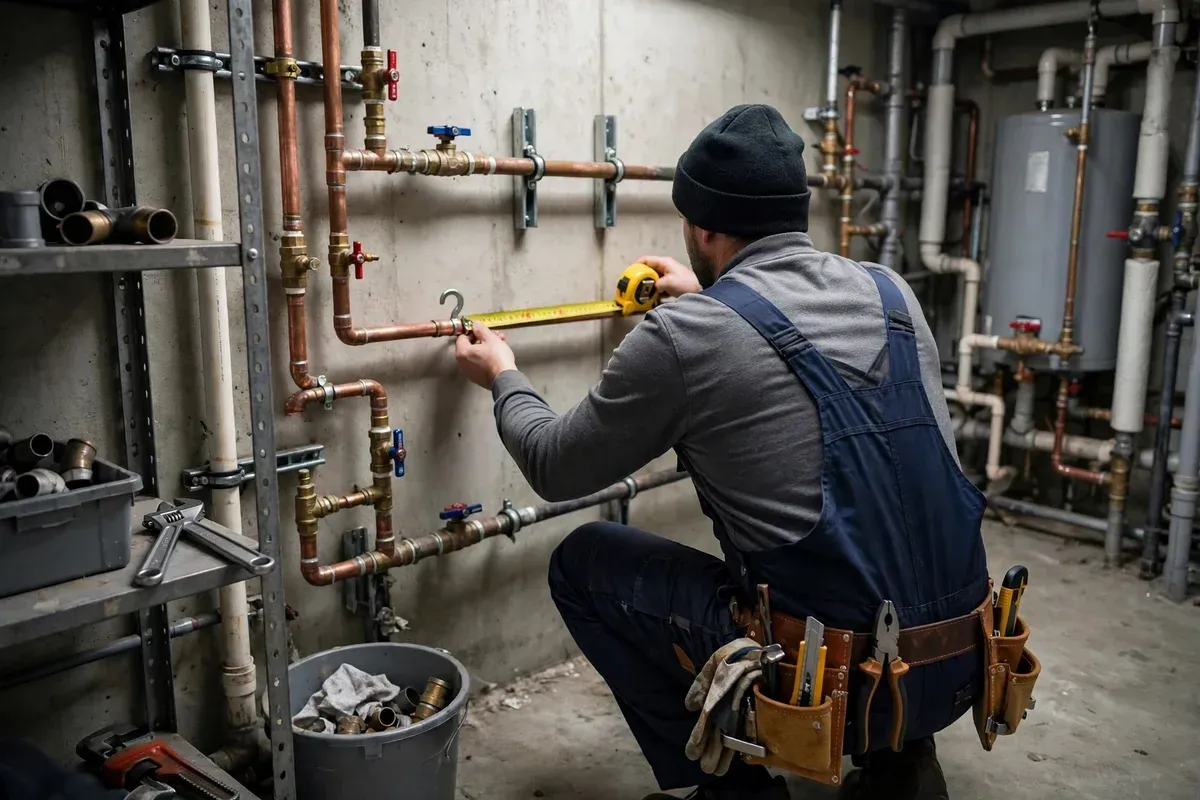
Conyers homes use gas for cooking, laundry, heating and water heating, and many gas jobs are really conversion or relocation jobs: a new stove location, a dryer moved during a remodel, or a fireplace added to a living space. Each one needs a correctly sized run and a test.
Small commercial gas work is kept to the same scope as home work: appliance supply lines for small offices, retail and restaurants, sized and tested the same way. Large commercial gas systems and industrial process gas are not claimed on this page.
A gas line carries fuel gas from the meter or supply point to an appliance at a pressure the appliance is designed for. The pipe must be large enough that every appliance on the line still receives its rated supply when the others are running, and the joints must hold pressure without leaking. That is why gas work is governed by code and by testing rather than by appearance: a joint can look tidy and still leak, and a line can look generous and still starve an appliance at full demand. Work in Conyers follows the 2024 International Plumbing Code with Georgia Amendments, effective 1 January 2026, and Georgia plumbing work as a business must be performed under a state licence through the Division of Master and Journeyman Plumbers. No licence number is published on this page, because none was supplied; ask for licence details when you call.
Permits are the other honest unknown on this page. Whether a given gas job needs a City of Conyers or Rockdale County permit, and what any fee would be, varies by jurisdiction and job, and that point is still listed as to be verified in the Conyers research. We do not state a fee here, and we confirm the permit position for your address before work starts. For general guidance on choosing a plumber, see our guide on what Conyers homeowners should check before hiring a plumber, and for leak symptoms themselves, gas leak detection is the companion page to read first.
A gas line is sized on paper, installed in pipe, and proven with a gauge, in that order.
Safety check, sizing, written price, installation, test. No step is traded away for speed.
Call +1 770-897-1640 during business hours and tell us the appliance, its location, and whether this is a new run, a relocation or a repair. If you smell gas, do not call us first: evacuate and call 911 or the gas utility.
On site we map the run, measure its length, list every appliance the line must serve, and check meter and shutoff access. Sizing follows from that survey.
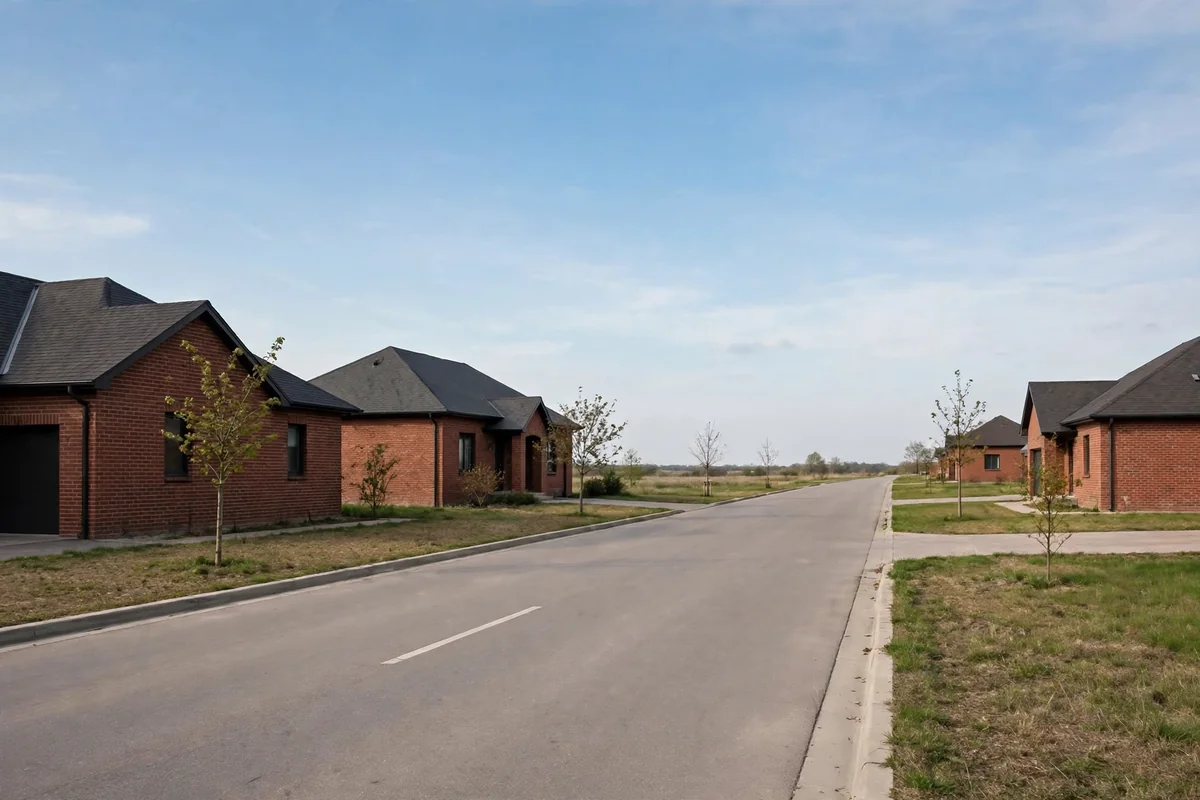
We confirm whether a City or County permit applies to your address and job, and we give the scope and the price in writing before work starts. No fee is stated here, because none has been verified for your job.
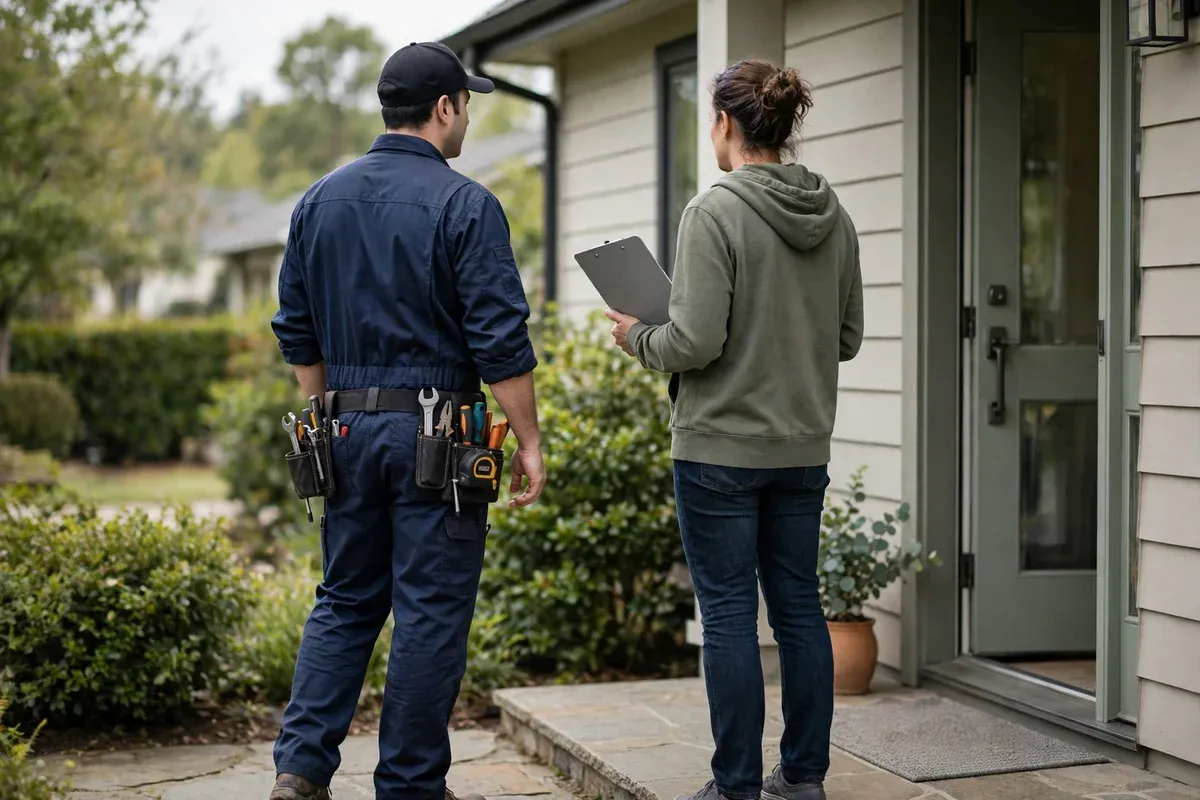
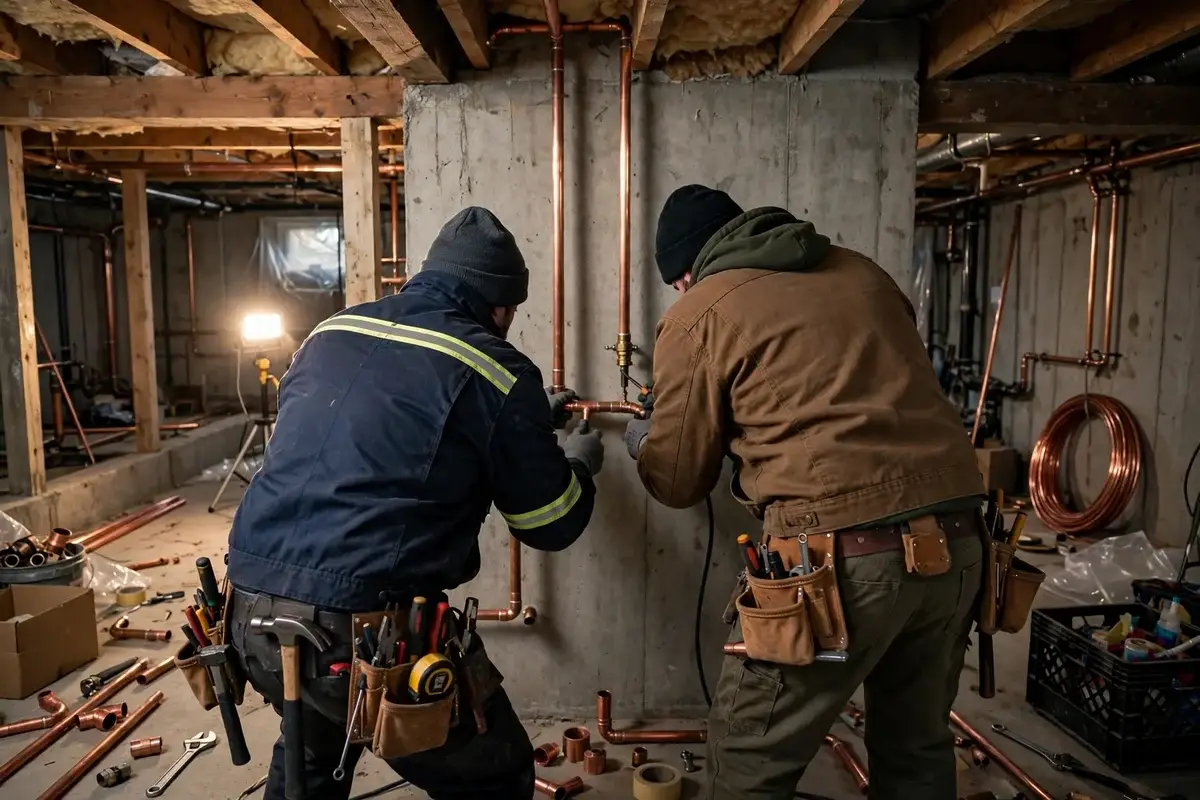
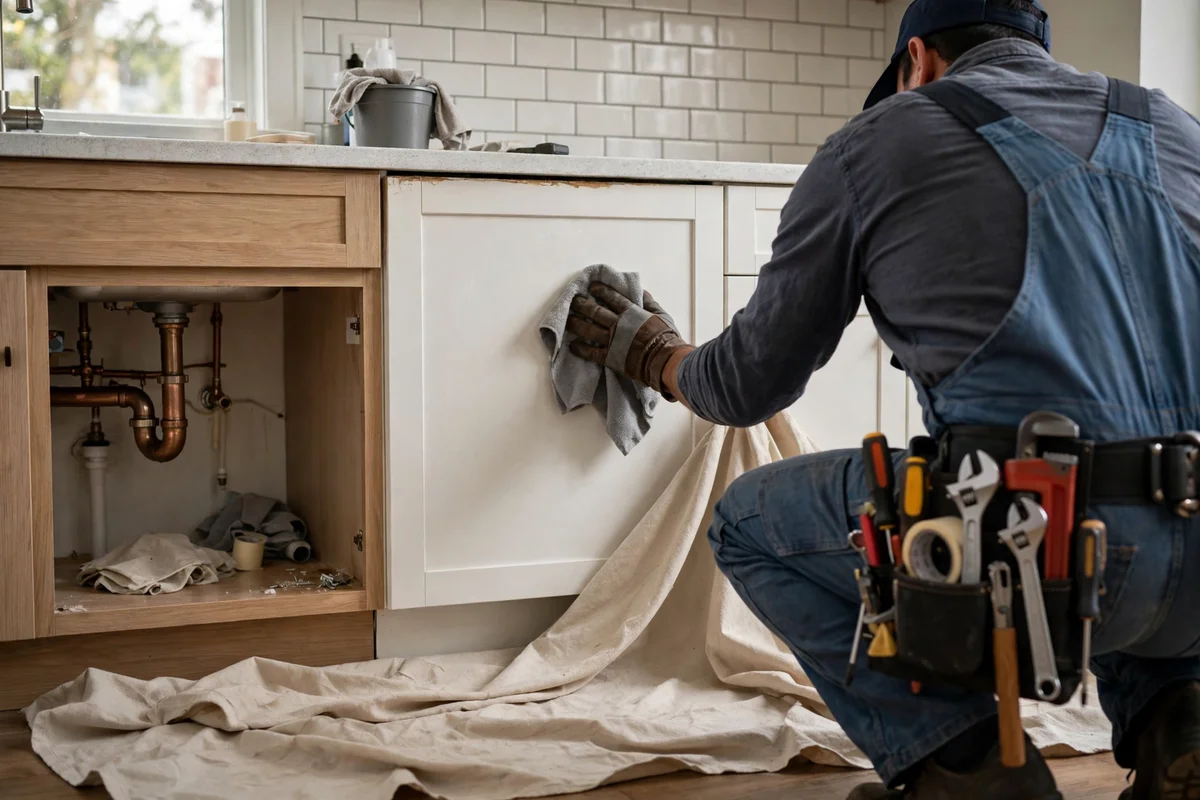
We install or replace the pipe, fit shutoff access where required, and connect the appliance with the correct connector. Work areas are left tidy as we go.
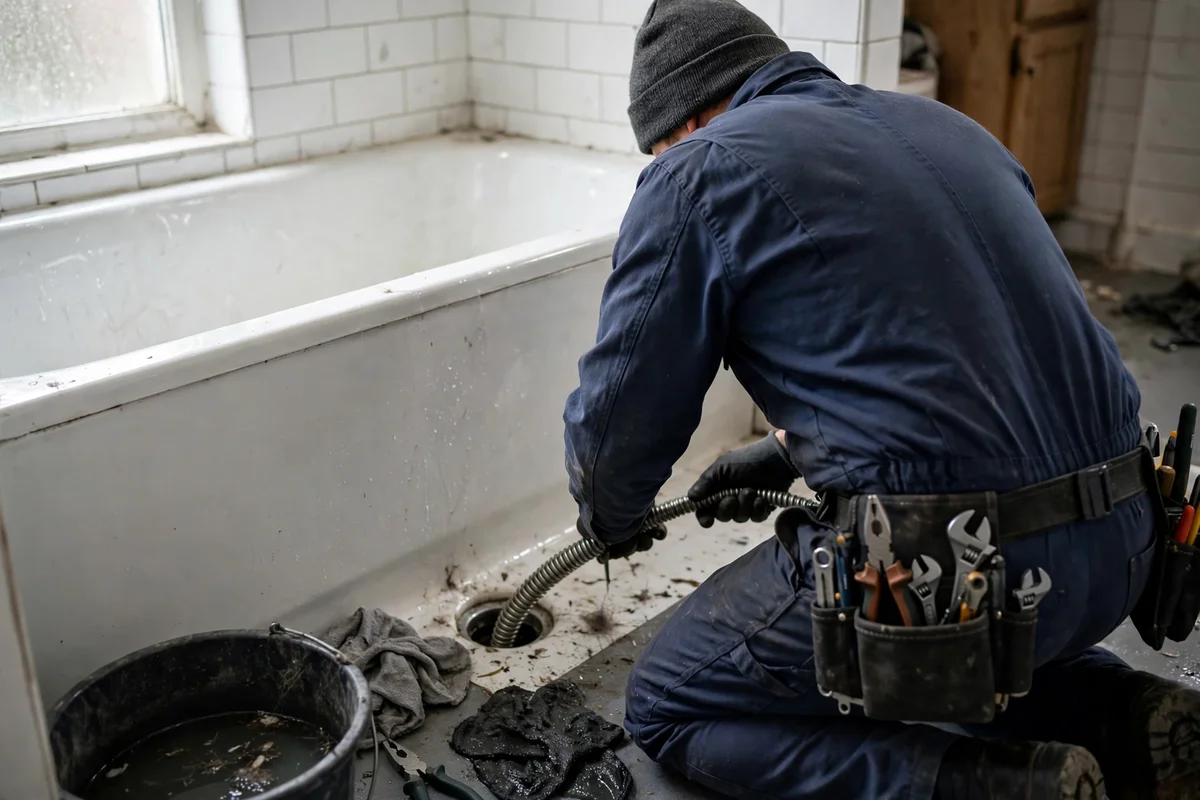
We pressure test the finished line, confirm the appliance operates correctly, and explain the test result, the shutoff location and what to do if you ever smell gas.
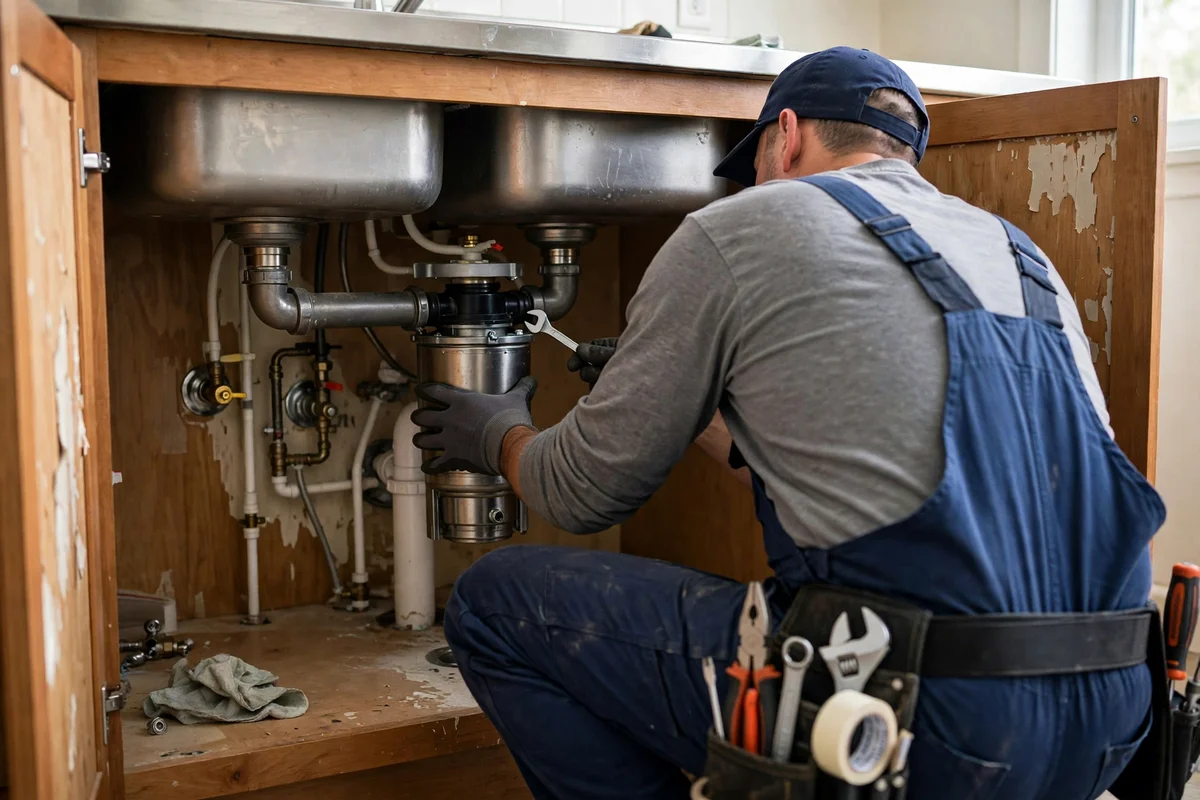
Appliance demand and run length are worked out before pipe is cut. Sizing is the difference between a line that works at full demand and one that only works when one appliance runs.
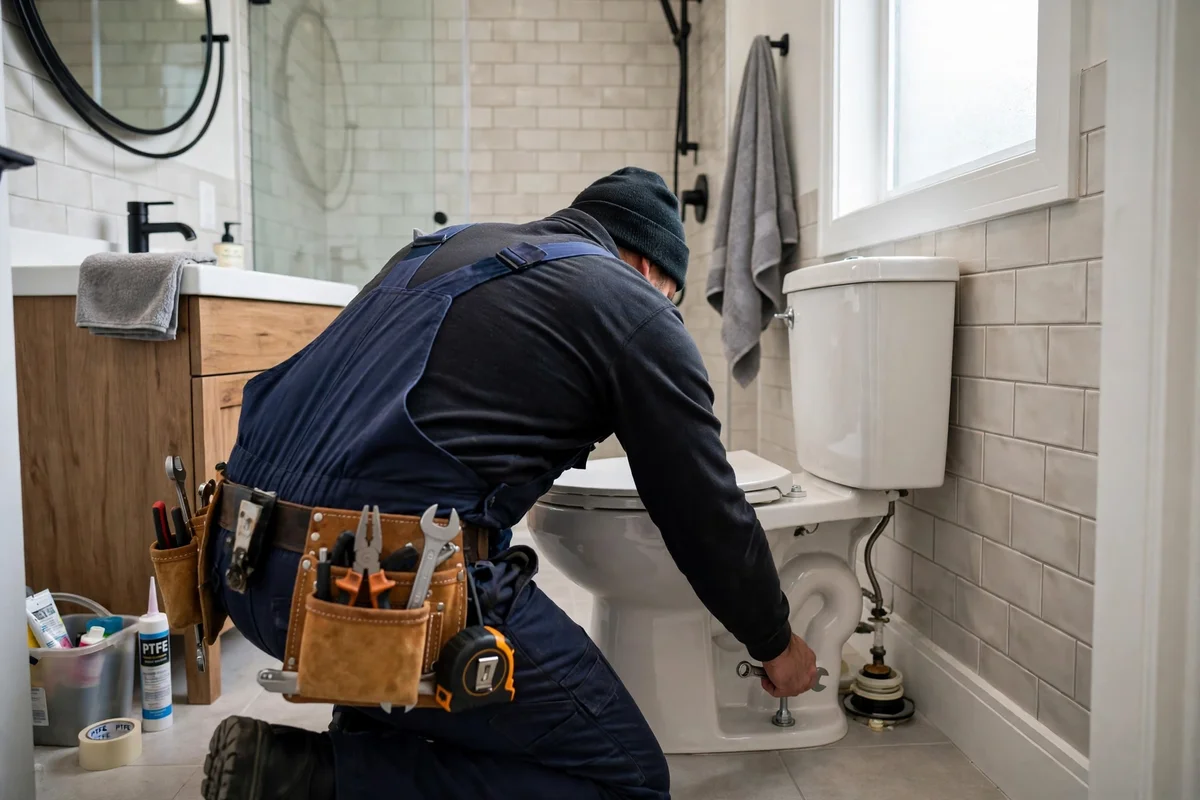
Gauges and test procedures that prove a new or repaired line holds pressure. A line is not signed off on appearance.
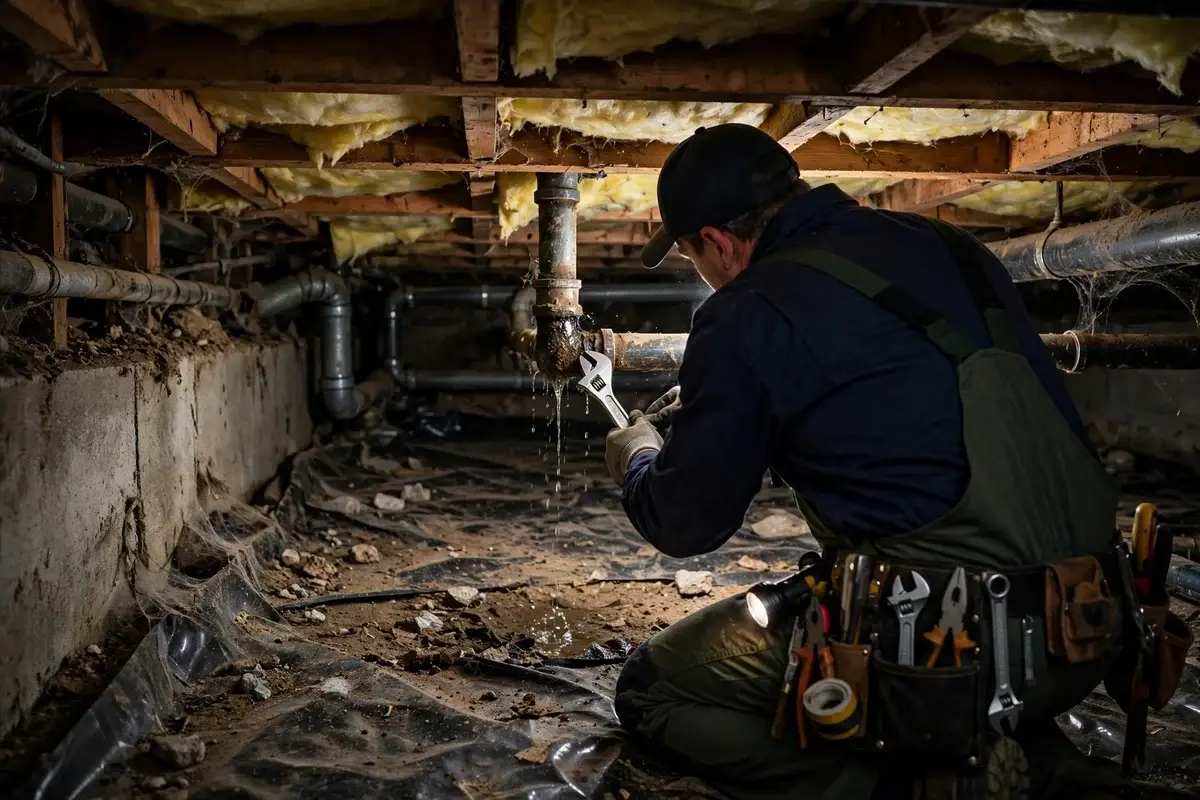
Approved leak-check methods are used at every joint after testing. A joint is proven, not assumed.
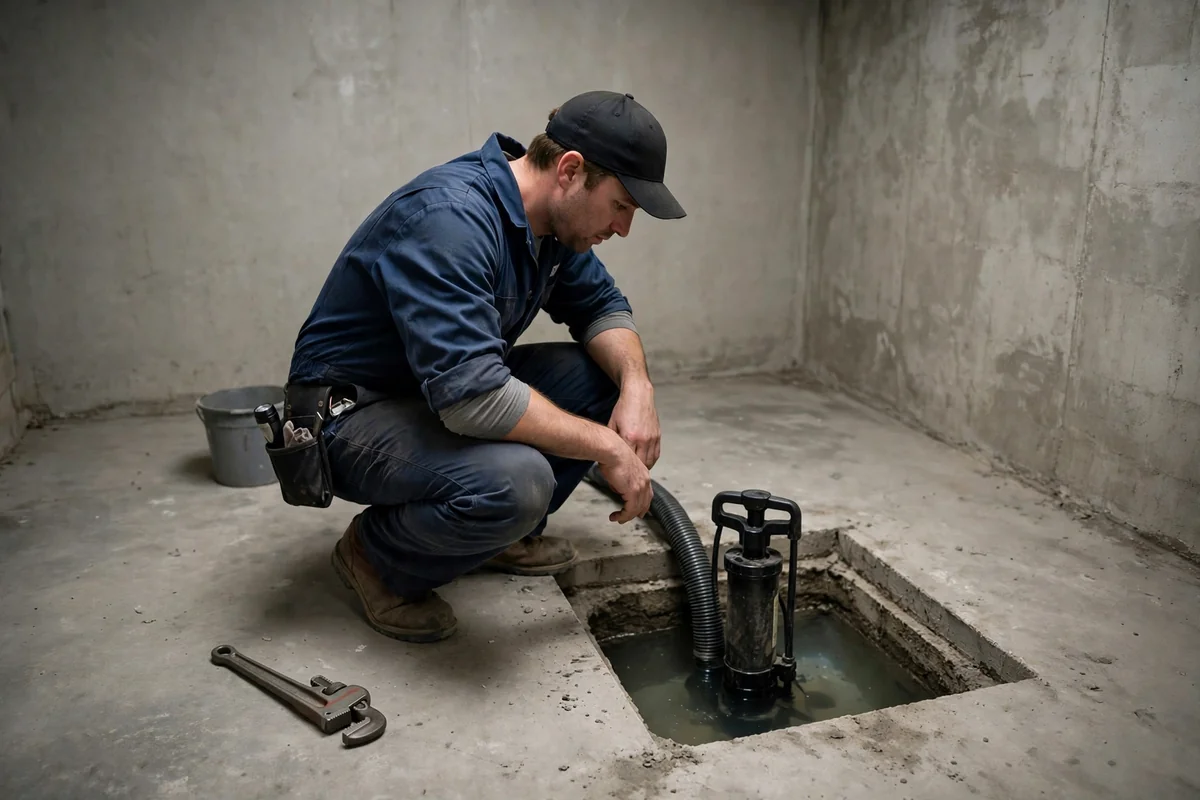
Clean cuts and correct threading for steel pipe, with joints made up to the standard the code requires, not to a visual approximation.
We verify that the appliance shutoff is present, accessible and working, because a gas line without a usable shutoff is an unfinished job.
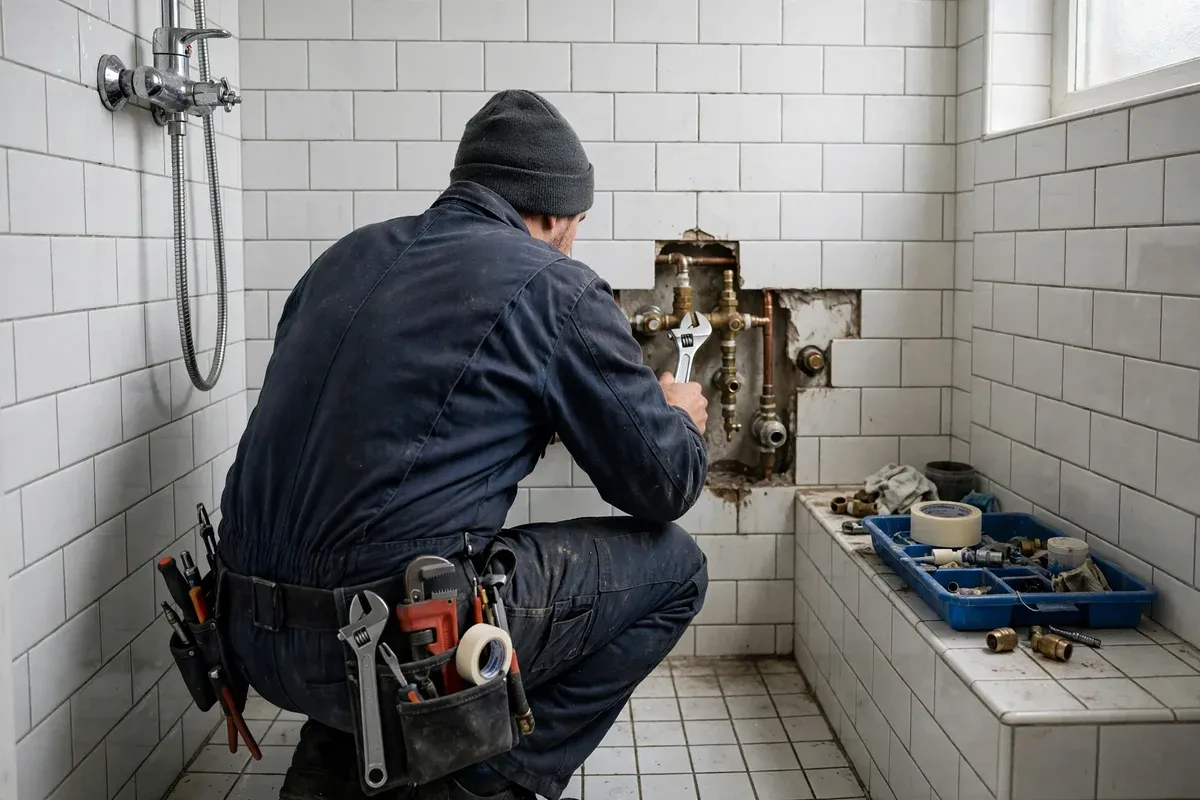
Flexible connectors are checked for age, damage and correct type. A damaged connector is replaced and the reason is explained.
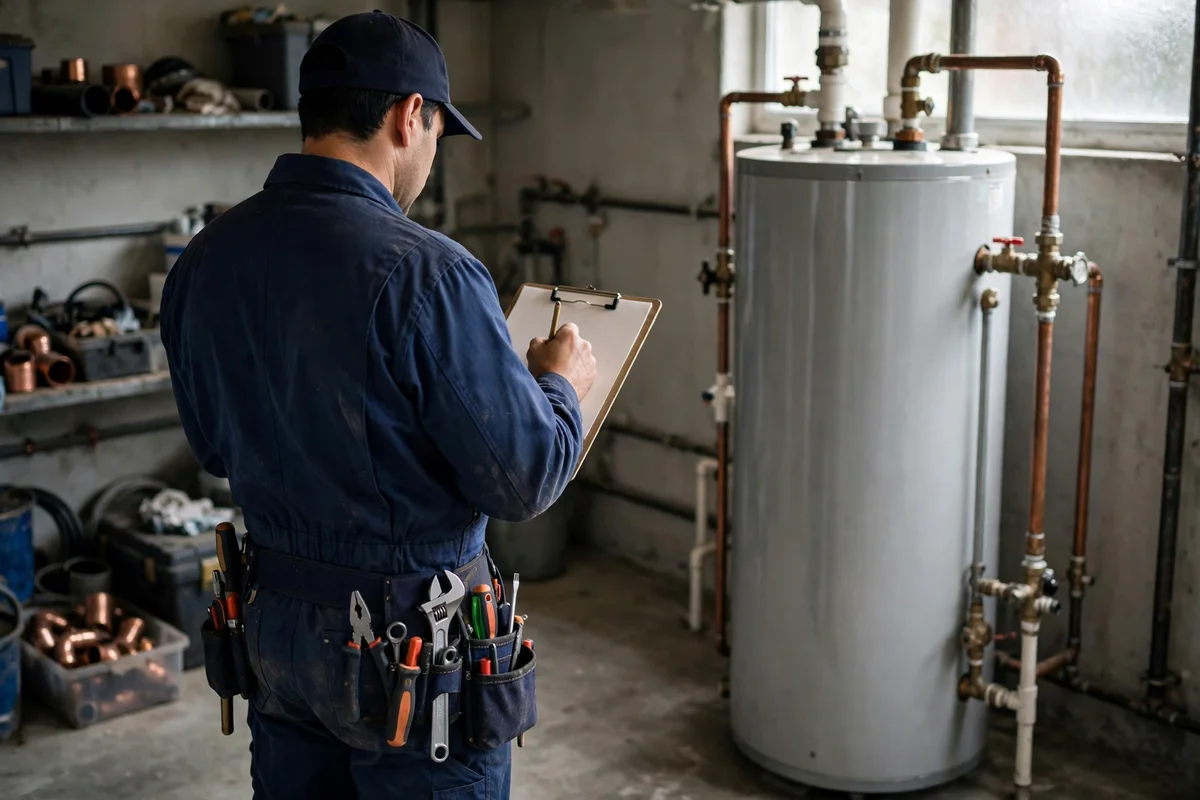
We check that the route is protected where it passes through structure or near damage, and that supports are adequate along the run.
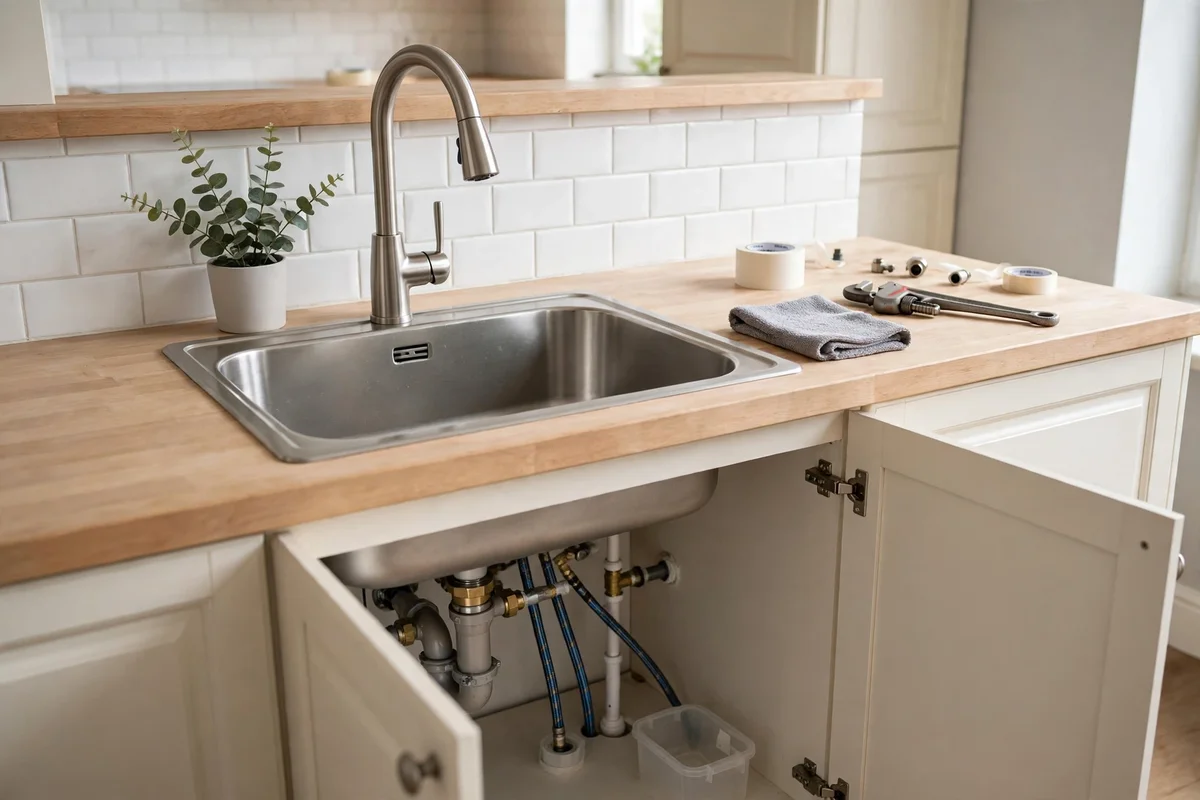
Gas work in Conyers follows the 2024 International Plumbing Code with Georgia Amendments, effective 1 January 2026, and the fuel-gas provisions that accompany it.
We survey the kitchen, size the run to the stove's demand, and install and test the line before the appliance is used. The shutoff location is shown to you.
We reroute or extend the dryer gas line to the new location, with sizing rechecked for the new run length, and the old route made safe.
We add a correctly sized branch for the new appliance, check total demand on the existing line, and test the whole run after the addition.
We assess the pipe, explain whether repair or replacement is the sound answer, and give a written price before work. Corroded gas pipe is not patched on hope.
Conyers homes span a wide age range, with a city median year built of 1993 and a county median of 1990, and roughly a third of Rockdale stock falls in the 1978 to 1995 polybutylene window by decade derivation. That age profile matters for gas work because older homes are where corroded pipe, improvised routes and ageing connectors are most likely to be found, while newer homes are more likely to need new runs for remodels and additions. Permit jurisdiction also varies: City of Conyers addresses and unincorporated Rockdale addresses do not always follow the same desk, and we confirm the position for your address rather than stating a single rule.
A kitchen remodel moved the stove across the room, and the old gas route no longer reached it. The homeowner needed a new run, not an extension cobbled from spare pipe.
A new run was surveyed, sized to the stove's demand, installed with accessible shutoff, pressure tested, and shown to the homeowner with the shutoff location explained.
A gas run moved for a remodel needs its sizing rechecked for the new length. An extension that happens to reach is not the same as a line that is correctly sized.
An ageing gas line showed corrosion at several points, and the homeowner asked whether a patch would do.
Inspection showed corrosion beyond a single joint, so the affected section was replaced, the whole run was pressure tested, and the result was explained before sign-off.
Corrosion in several places is a section problem, not a joint problem. Patching it leaves the next failure in place.
A laundry move left the dryer gas line in the wrong room, and the homeowner considered a long flexible run as a shortcut.
A proper rerouted line was installed to the new laundry location, sized for the new length, with a correct connector and a pressure test on completion.
Gas lines are not extended with long flexible runs as a shortcut. A proper rerouted pipe, tested, is the safe answer.
Gas problems are handled in a strict order: safety first, diagnosis second, repair third. Here is how each common problem is approached.
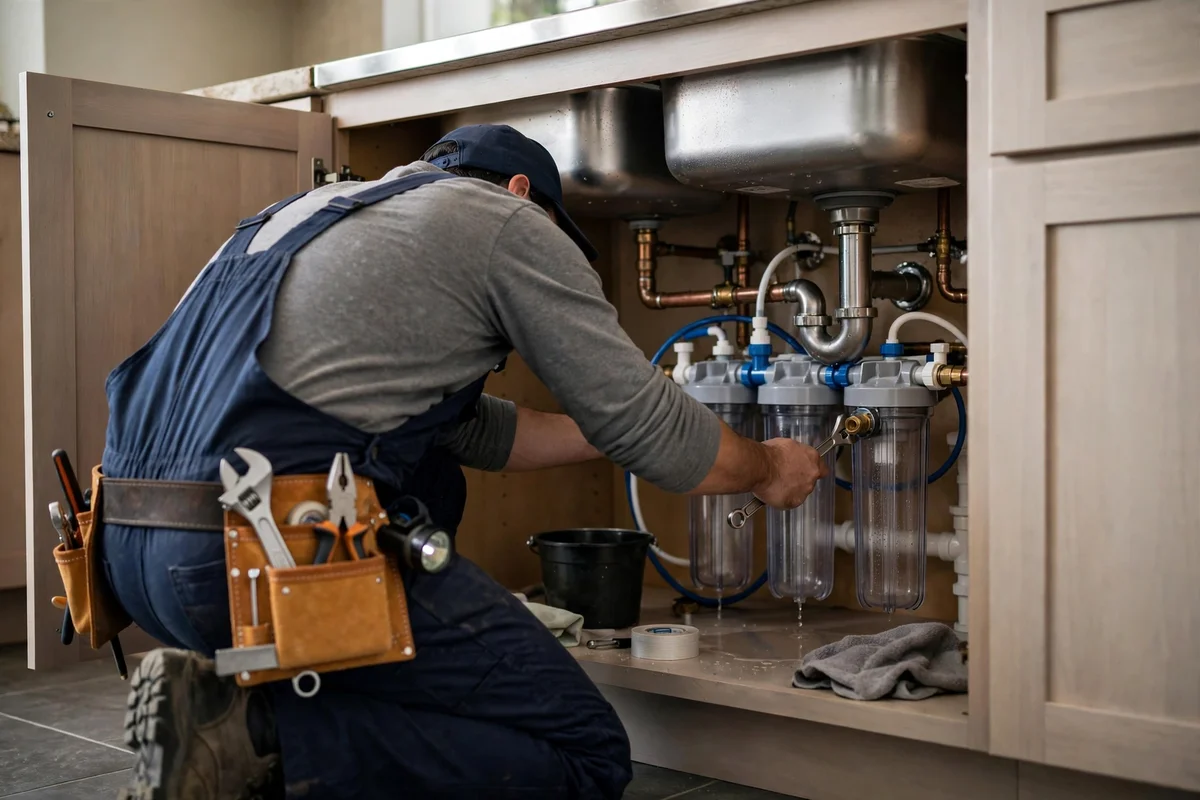
Leave the building, do not operate lights or appliances, and call 911 or your gas utility from outside. Do not call a plumber first, and do not re-enter to investigate. Repair work follows only after the area is declared safe.
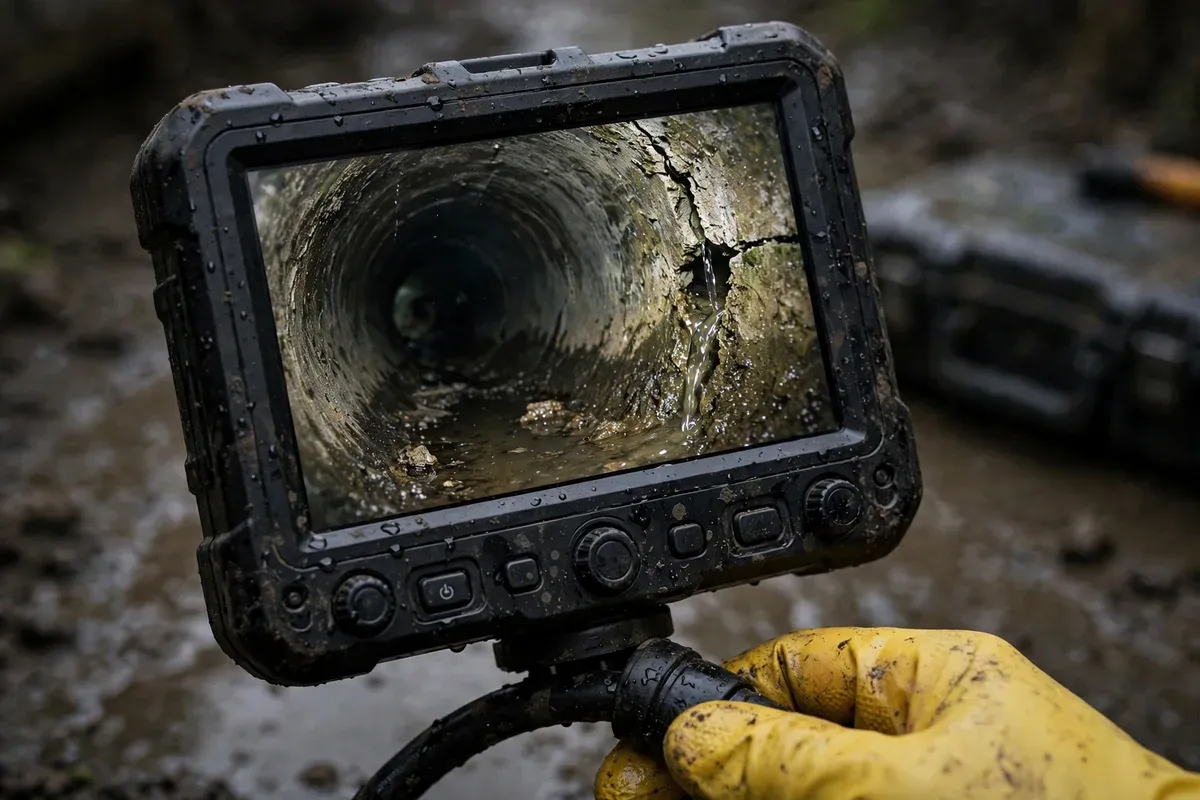
We check sizing against total appliance demand and run length. An undersized line is resized or reconfigured, and the fix is proven by operation at full demand, not by a single-appliance test.
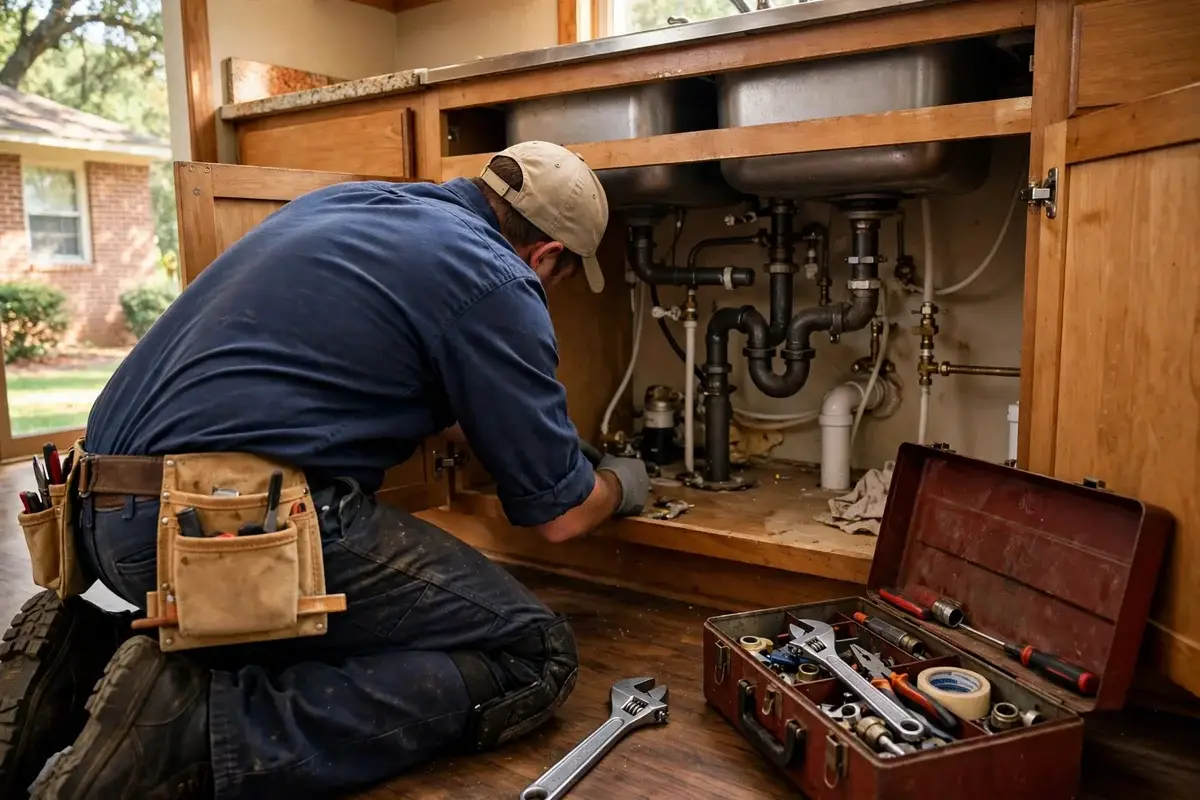
We assess the extent of corrosion or damage and explain whether a section replacement is needed. Patching widespread corrosion is not offered as a sound fix.
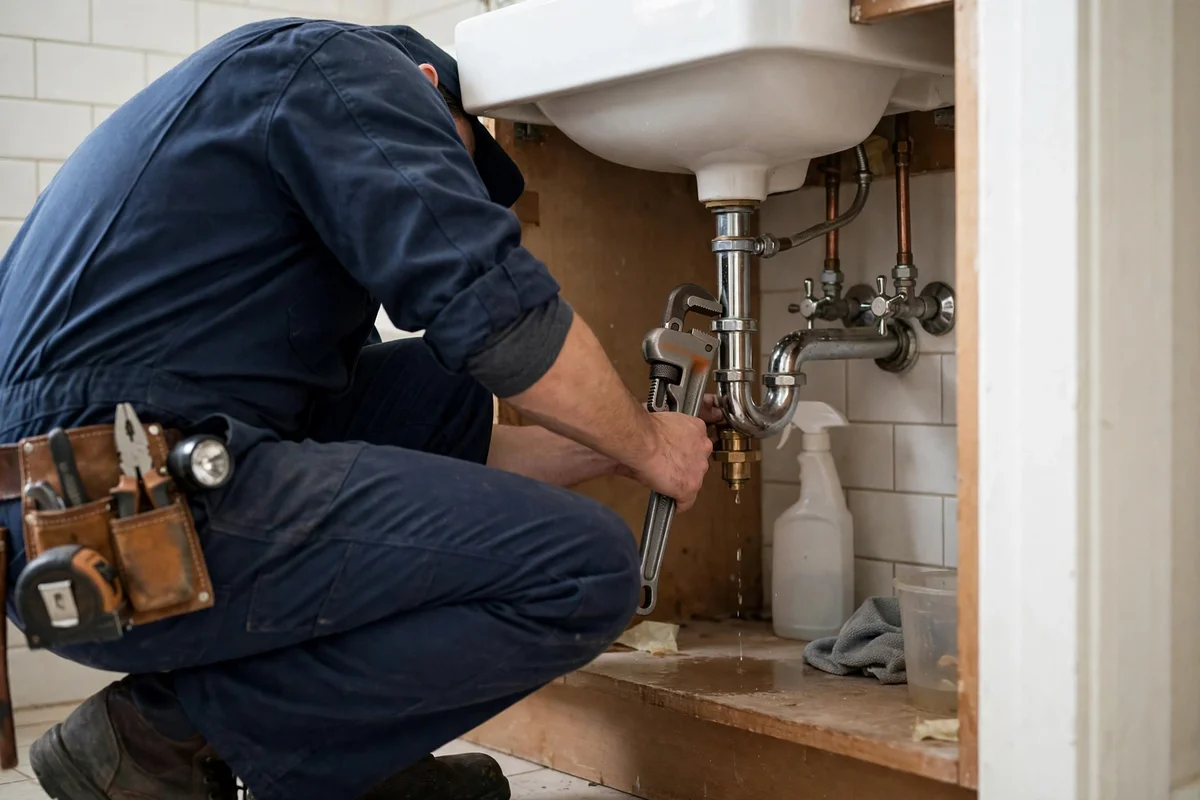
We test joints with approved methods, replace the failed joint or connector, and retest the line. A joint is not left on the strength of looking tight.
On a gas smell, evacuate and call 911 or the gas utility first. That rule is stated on this page before any service description, because it matters more than any booking.
Lines are sized to the appliances they serve and the length they run. That is what keeps a stove, dryer and heater all working when they run together.
New and repaired lines are pressure tested before sign-off. You are told the result, not asked to assume it.
You approve the scope and the price in writing before we start. No firm price is published on this page. Call for a written price before work starts; any price discussion on this page is Oct-2026 Atlanta market data, not SoCo Plumbers' prices.
Records from the visit, written so you can keep and share them.
The appliances served and the pipe size chosen, in plain language
Confirmation that the finished line was pressure tested and held
Where the appliance shutoff is, shown to you on the visit
Most gas knowledge a homeowner needs fits in three points: the smell rule, the sizing rule, and the shutoff location.
Gas smell means leave, do not switch anything, and call 911 or the gas utility from outside. That rule applies before any plumber is called, including us.
Every gas appliance should have an accessible shutoff, and you should know where it is before you need it. We show it to you on every gas visit.
A gas line that looks generous can still starve appliances if demand and length were not calculated. Ask how the size was chosen, and expect an answer in plain terms.
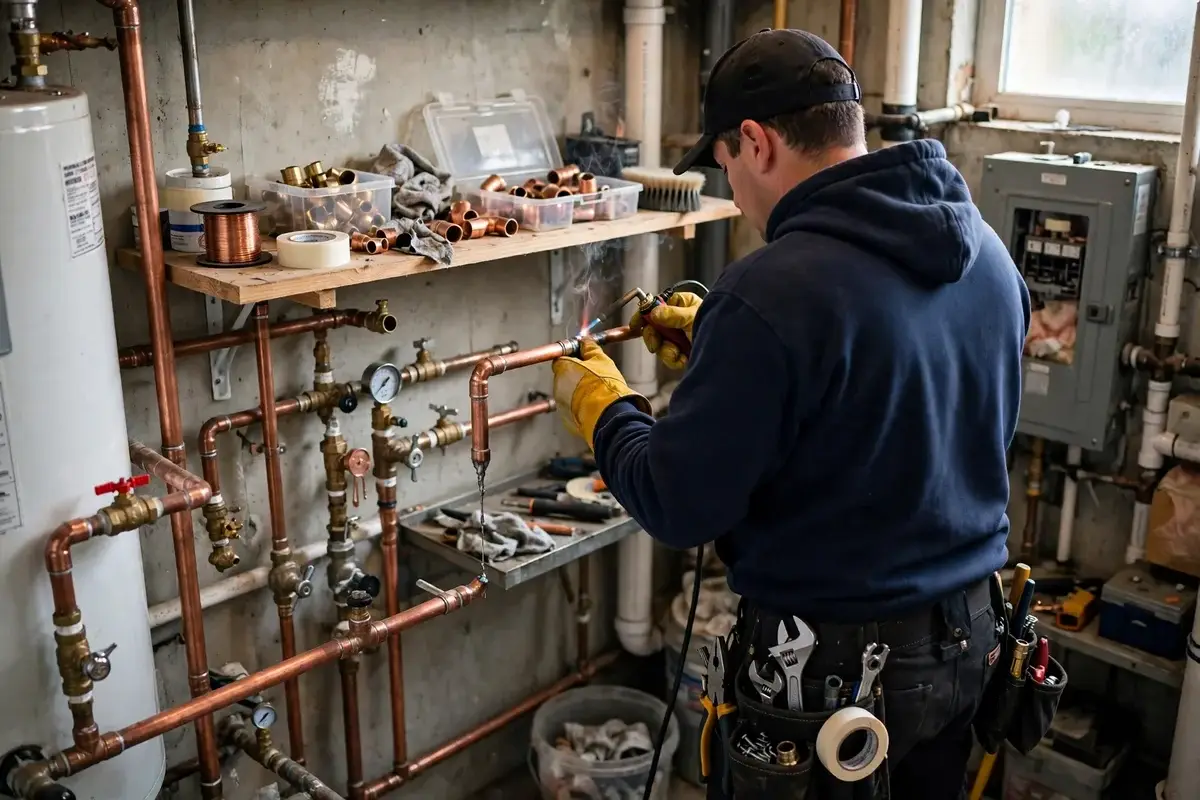
Conyers and the four areas above — call +17708971640 during business hours to confirm your address.
4.7 stars from 7 Google reviews · Read reviews on Google
Leave the building immediately, do not switch lights or appliances on or off, do not use a phone inside, and call 911 or your gas utility from outside. Do not call a plumber first and do not re-enter to investigate. Repair work happens only after the area is safe.
No firm price is published on this page. Call for a written price before work starts; any price discussion on this page is Oct-2026 Atlanta market data, not SoCo Plumbers' prices. The final price depends on run length, pipe size, appliance demand and access, so it is given in writing after a survey, not over the phone.
Permit requirements vary between the City of Conyers and Rockdale County, and by job type, and the fee position is still to be verified. We confirm the permit position for your address before work starts, and we state no fee on this page.
Yes, when the extension is properly sized for the new run length and total demand, installed to code, and pressure tested. A long flexible run used as a shortcut is not a proper extension, and we do not offer it as one.
New appliance, moved laundry, or an ageing gas line that needs a straight answer? Call SoCo Plumbers at +1 770-897-1640 during business hours, Monday to Friday, 9 AM to 5 PM. If you smell gas, evacuate and call 911 or your gas utility first.
Call SoCo Plumbers at +1 770-897-1640. We are open Monday to Friday, 9 AM to 5 PM, and closed Saturday and Sunday. Tell us the appliance and the job, and we will survey, size and price it in writing. If you smell gas, evacuate and call 911 or the gas utility first.